What Can I Import From Morocco? Fresh Produce & Trade Guide
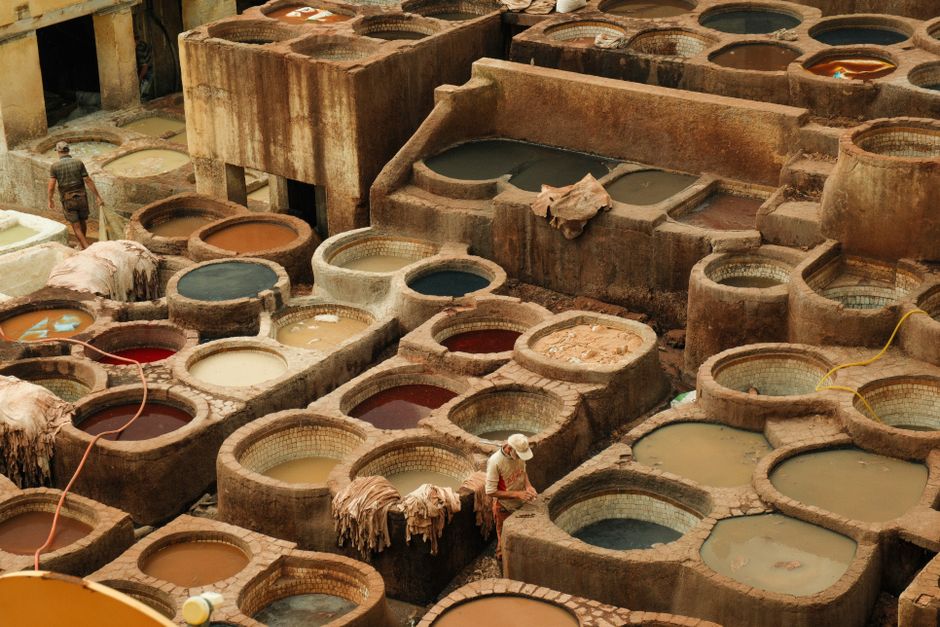
Morocco's got serious trade potential, and if you're asking what you can import from there, fresh produce is the goldmine. Citrus fruits, exotic vegetables, berries, and premium oils dominate Morocco's export game. But there's a lot more nuance than just throwing items on a shipping container. You'll need to understand the sourcing process, compliance rules, and logistics to make it work.
The short answer: Morocco exports fresh citrus (oranges, lemons, mandarins), vegetables like eggplant and mint, argan oil, canned seafood, berries, and grapes. If you're a wholesale buyer or distributor, Atlas Agro Trade specializes in connecting importers with verified Moroccan growers and suppliers across these categories.
The Main Products You Can Import From Morocco
Let's break down what actually moves through Moroccan ports and into international supply chains.
Related: Best Affordable Cold Chain Logistics for Produce Trade 2026: Top 5 Ranked
Related: Best Fresh Produce Companies 2026: Top 5 Ranked
Related: Quality Standards for Fresh Produce Wholesale Trade
Related: Quality Standards for Fresh Produce Wholesale Trade
Related: FOB CIF DDP Fresh Produce Trade Terms Explained
Related: Cold Chain Logistics Cost Guide for Fresh Produce Importers
Related: How to Export Fresh Vegetables from Africa: A Step-by-Step Guide
Related: How to Export Fresh Vegetables from Africa: A Step-by-Step Guide
Related: How to Export Fresh Vegetables from Africa: A Step-by-Step Guide
Related: How to Export Fresh Vegetables from Africa: A Step-by-Step Guide
Related: How to Export Fresh Vegetables from Africa: A Step-by-Step Guide
Related: How to Export Fresh Vegetables from Africa: A Step-by-Step Guide
Related: How to Export Fresh Vegetables from Africa: A Step-by-Step Guide
Related: What is a Farm Fresh Company? B2B Produce Sourcing Guide
Related: What is a Farm Fresh Company? B2B Produce Sourcing Guide
Related: What is a Farm Fresh Company? B2B Produce Sourcing Guide
Related: What is a Farm Fresh Company? B2B Produce Sourcing Guide
Related: What is a Farm Fresh Company? B2B Produce Sourcing Guide
Related: What is a Farm Fresh Company? B2B Produce Sourcing Guide
Related: What Is a Produce Station? B2B Fresh Produce Hub Guide
Related: What Is a Produce Station? B2B Fresh Produce Hub Guide
Related: What Is a Produce Station? B2B Fresh Produce Hub Guide
Related: What Is a Produce Station? B2B Fresh Produce Hub Guide
Related: What Is a Produce Station? B2B Fresh Produce Hub Guide
Related: What Is a Produce Station? B2B Fresh Produce Hub Guide
Related: What Is a Produce Station? B2B Fresh Produce Hub Guide
Related: Cold Chain Logistics Management: Complete Guide for Fresh Produce
Related: Components of Cold Chain: Essential Setup for Fresh Produce
Citrus Fruits (The Big One)
Morocco is a citrus powerhouse. We're talking oranges, lemons, clementines, and grapefruits. Quality is solid, pricing is competitive, and the harvest window aligns well with European and Middle Eastern demand. Most Moroccan citrus comes with GlobalGAP certification, which buyers in the EU and North America expect. Shipping typically happens November through May.
When you're evaluating citrus suppliers, always ask for phytosanitary certificates. These prove the fruit meets importing country health standards and can actually clear customs.
Fresh Vegetables
Eggplant is Morocco's signature vegetable export. You'll also find tomatoes, peppers, cucumbers, and zucchini. The production is year-round in some regions, but spring and fall are peak seasons. Vegetable exports require strict cold-chain management to maintain quality during transit.
Berries & Grapes
Strawberries and table grapes are growing export categories. These are high-margin products but demand serious logistics. You need rapid transit (air or refrigerated sea containers) to prevent spoilage. Lead times and freight costs are higher, but so is the retail value.
Argan Oil & Specialty Oils
Argan oil with organic (BIO) certification is a steady export. It's not just food-grade; cosmetic and skincare formulations also source from Morocco. If you're importing argan oil, verify certification chains carefully. Counterfeit argan is common in global trade.
Canned & Preserved Seafood
Sardines and canned tuna with tomato sauce are traditional Moroccan exports. These have longer shelf life, lower cold-chain costs, and stable pricing. They're easier to import for first-time buyers because phytosanitary rules are less complex than fresh produce.
How to Source From Morocco: The Process
Importing from Morocco isn't a one-off transaction. You're building a supply relationship with growers or export agents.
Related: Best Fresh Produce to Import From Morocco in 2026
Related: Best Fresh Produce to Import From Morocco in 2026
Related: Best Fresh Produce to Import From Morocco in 2026
Related: Best Fresh Produce to Import From Morocco in 2026
Related: Best Fresh Produce to Import From Morocco in 2026
Related: Best Fresh Produce to Import From Morocco in 2026
Related: Best Fresh Produce to Import From Morocco in 2026
Related: Best Fresh Produce to Import From Morocco in 2026
Related: Best Fresh Produce to Import From Morocco in 2026
Related: Best Fresh Produce to Import From Morocco in 2026
Related: Best Fresh Produce to Import From Morocco in 2026
Related: Best Fresh Produce to Import From Morocco in 2026
Related: Best Fresh Produce to Import From Morocco in 2026
Related: Best Fresh Produce to Import From Morocco in 2026
Related: Best Fresh Produce to Import From Morocco in 2026
Related: Best Fresh Produce to Import From Morocco in 2026
Related: Best Fresh Produce to Import From Morocco in 2026
Related: Best Fresh Produce to Import From Morocco in 2026
Related: Best Fresh Produce to Import From Morocco in 2026
Related: Best Fresh Produce to Import From Morocco in 2026
Related: Best Fresh Produce to Import From Morocco in 2026
Related: What Are the Challenges of Fresh Produce Supply Chain?
Related: African Produce Export Morocco Compliance: Full Guide 2026
Related: Best Fresh Produce to Import From Morocco in 2026
Step 1: Find Verified Suppliers
Start with Moroccan export associations, chambers of commerce, or trade platforms. You want suppliers who have traceable relationships with growers, not middlemen stacking margins. When you're evaluating partners, request references, certifications, and recent export documentation.
Step 2: Negotiate Terms & Pricing
Moroccan suppliers typically quote FOB (Free on Board) Casablanca or Tangier. That means they cover costs up to the port; you pay shipping, insurance, and destination handling. Some will offer CIF (Cost, Insurance, Freight) if you're ordering large volumes. Always clarify who handles phytosanitary paperwork and customs clearance.
Step 3: Confirm Certifications & Compliance
Non-negotiable items:
- Phytosanitary certificate (issued by Moroccan agricultural authorities)
- Certificate of origin
- Health/food safety certificate if importing produce into EU, US, or Canada
- Organic certification (if applicable)
- GlobalGAP or equivalent quality standard (for major retailers)
Your importer's customs broker can verify these, but it's smarter to confirm before ordering. Invalid paperwork can delay shipments by weeks.
Step 4: Arrange Cold-Chain Logistics
Fresh produce needs refrigerated containers. Budget for reefer (refrigerated) shipping costs, which run 30-50% higher than standard containers. Temperature monitoring during transit is standard practice. Some buyers require real-time GPS and temperature data from container to destination.
Step 5: Plan Customs Clearance
Your destination country (US, EU, UK, Canada) has specific tariff codes and import rules for Moroccan produce. The EU has preferential trade rates with Morocco, so margins can be tighter there. North America applies standard MFN (Most Favored Nation) rates, which vary by product and season. Work with a customs broker who knows agricultural imports.
Related: Morocco Agricultural Trade Regulations & Documentation Guide
Key Compliance & Documentation Rules
This is where most first-time importers stumble.
Phytosanitary Certificates
Non-negotiable. Morocco's agricultural authority (ONSSA) issues these. They confirm no pests or diseases are present. Your destination country's border agency will reject shipments without them. Processing typically takes 5-10 business days.
Organic & Food Safety Certifications
If you're importing organic citrus or vegetables, the supplier must have valid organic certification recognized in your destination market. EU buyers accept EU-registered organic bodies; US buyers need USDA equivalency. Canadian and UK buyers have their own standards.
For any produce, food safety is critical. Most major retailers in Europe and North America require FSMA (Food Safety Modernization Act) compliance or equivalent traceability systems. Ask suppliers if they have audit trails from farm to port.
Prohibited Items
Morocco restricts exports of used clothing, used tires, firearms, and certain locally protected goods. If you're sticking to fresh produce and oils, you're in the clear. But verify this with Moroccan customs before your first shipment.
Pricing & Cost Reality Check
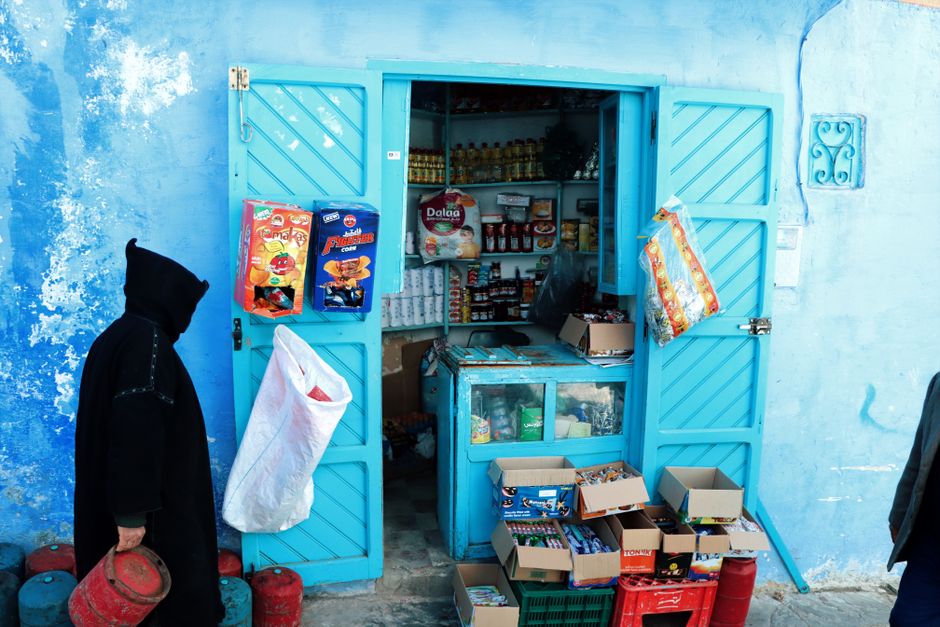
Moroccan produce is competitive, but don't assume it's the cheapest option globally.
Citrus FOB pricing typically ranges USD 0.30-0.60 per kg, depending on variety and season. Add freight (USD 800-1,500 per 20ft container), insurance, and destination tariffs. If you're selling into Europe with preferential trade rates, margins work. Into the US, you're paying standard duties on top, so volumes need to be large.
Berries and grapes are higher value but higher risk. Spoilage rates can spike if logistics breaks down. Budget 2-5% loss for air shipping, up to 10% for sea freight on highly perishable items.
Argan oil is steady but quality variance is real. Verify lab testing (acidity, peroxide values) with every batch. Counterfeit argan in global trade means suppliers with transparent sourcing and traceability command premiums.
Finding the Right Moroccan Supplier Partner
This is where it gets practical. Atlas Agro Trade connects wholesale buyers directly with verified growers and exporters across Morocco. We handle supplier vetting, quality control, and logistics coordination so you skip the guesswork.
If you're sourcing independently, here's the checklist:
- Request 3-5 years of export history and reference clients
- Ask for recent lab reports (microbiology, pesticide residues) if produce
- Verify ISO and GlobalGAP certifications independently
- Request sample shipments before committing to volume orders
- Clarify who handles customs clearance in your destination country
- Get everything in writing: pricing, delivery terms, payment terms, dispute resolution
Payment terms vary. Most suppliers want 30% upfront, 70% on bill of lading (proof of shipment). Some accept LC (Letter of Credit) for large orders. First-time transactions often require 100% prepayment or LC.
Logistics: From Morocco to Your Destination
Shipping routes and timelines matter for perishable goods.
Casablanca and Tangier are the main ports. Container availability, reefer shipping capacity, and port congestion can affect schedules. Peak export season (November-May for citrus) means higher freight rates and longer wait times for container slots.
Transit times to major destinations:
- Northern Europe (Rotterdam, Hamburg): 7-10 days by sea
- UK ports: 5-7 days
- US East Coast: 12-16 days
- US West Coast: 20-24 days
- Middle East (Dubai, Jeddah): 6-10 days
Air freight is available for high-value or ultra-perishable items but costs 5-10x more than sea. Use it strategically for berries or specialty items, not bulk citrus.
Real-World Sourcing Strategy

Start small. Order a sample container (20-40 tons depending on product) from a single supplier. Test quality, packaging, documentation, and logistics in a real scenario. Fix problems on a small order, not a 100-ton commitment.
Once you've validated the relationship, scale to regular shipments on fixed schedules. Many importers negotiate seasonal contracts: guaranteed volumes in peak season at locked-in prices, with flexibility on smaller shoulder-season orders.
Build relationships with your customs broker and freight forwarder early. They know tariff codes, port quirks, and seasonal bottlenecks. Their expertise saves money and headaches.
If you're serious about consistent sourcing from Morocco, Atlas Agro Trade offers supplier management and logistics coordination tailored to your volume and destination. We handle the complexity so you focus on selling.
FAQs: Importing From Morocco
Do I need import licenses to bring Moroccan produce into the US or EU?
Not formal import licenses for produce, but you do need FDA registration (US) or authorization as an importer of record. EU importers need to register with their national authorities. Your customs broker handles this. You'll also need valid phytosanitary certificates and food safety documentation for every shipment.
What's the minimum order size from Moroccan suppliers?
Typically 10-20 tons for fresh produce, depending on the supplier and product. Some will handle smaller volumes (5 tons) at a premium. A standard 20ft reefer container holds roughly 18-24 tons of citrus or vegetables. Many new importers start with partial container loads (less than full capacity) through consolidators, but costs per unit run higher.
How long does phytosanitary certification take?
Morocco's ONSSA usually issues phytosanitary certificates within 5-10 business days of inspection. Plan for this delay in your shipping timeline. Some suppliers handle it seamlessly; others make it your responsibility. Clarify upfront. Atlas Agro Trade manages this paperwork as part of our export coordination.
Are Moroccan exports subject to EU or US tariffs?
Morocco has a preferential trade agreement with the EU, so tariffs on fresh produce are minimal or zero. US tariffs on Moroccan produce range 0-15% depending on product and season (seasonal tariffs apply to some fruits). Check the USDA and US International Trade Commission for current rates. Canada has similar preferential access under trade agreements. Budget tariff costs into your pricing model before placing orders.
Learn more at atlasagrotrade.com