Quality Standards for Fresh Produce Wholesale Trade
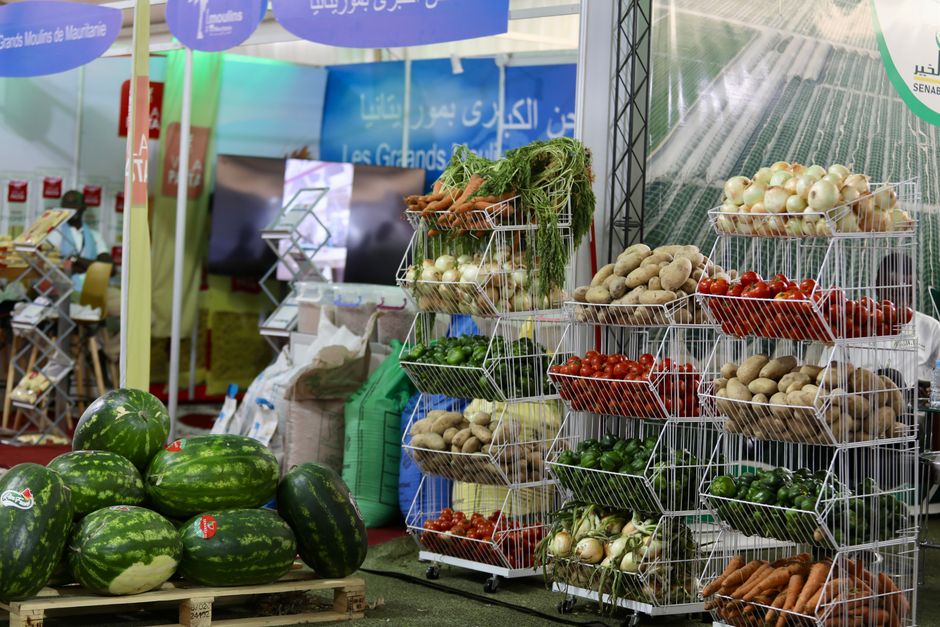
You're sourcing fresh produce for wholesale distribution, and your buyers aren't just looking for good fruit and vegetables. They're looking for compliance. They're looking for traceability. They're looking for proof that what you're sending them meets the standards their customers, regulators, and supply chains demand.
If you're new to the fresh produce wholesale trade, quality standards can feel like a maze. But here's the truth: understanding and meeting these standards isn't a burden. It's your competitive advantage. It's the difference between a buyer who trusts you and one who moves to a competitor.
Related: FOB CIF DDP Fresh Produce Trade Terms Explained
Related: FOB CIF DDP Fresh Produce Trade Terms Explained
Related: FOB CIF DDP Fresh Produce Trade Terms Explained
Related: FOB CIF DDP Fresh Produce Trade Terms Explained
Related: FOB CIF DDP Fresh Produce Trade Terms Explained
Related: FOB CIF DDP Fresh Produce Trade Terms Explained
Related: FOB CIF DDP Fresh Produce Trade Terms Explained
Related: FOB CIF DDP Fresh Produce Trade Terms Explained
Related: FOB CIF DDP Fresh Produce Trade Terms Explained
Related: FOB CIF DDP Fresh Produce Trade Terms Explained
Related: FOB CIF DDP Fresh Produce Trade Terms Explained
Related: FOB CIF DDP Fresh Produce Trade Terms Explained
Related: FOB CIF DDP Fresh Produce Trade Terms Explained
Related: FOB CIF DDP Fresh Produce Trade Terms Explained
Related: FOB CIF DDP Fresh Produce Trade Terms Explained
Related: FOB CIF DDP Fresh Produce Trade Terms Explained
Related: FOB CIF DDP Fresh Produce Trade Terms Explained
Related: FOB CIF DDP Fresh Produce Trade Terms Explained
Related: FOB CIF DDP Fresh Produce Trade Terms Explained
Related: FOB CIF DDP Fresh Produce Trade Terms Explained
Related: FOB CIF DDP Fresh Produce Trade Terms Explained
Related: FOB CIF DDP Fresh Produce Trade Terms Explained
This guide walks you through the quality standards that matter in fresh produce wholesale, why they exist, and how to build a sourcing strategy that keeps you ahead of compliance requirements. Whether you're exporting citrus, exotic fruits, vegetables, or berries, the framework is the same.
What Quality Standards Mean for Fresh Produce Wholesale Trade
Quality standards in fresh produce wholesale aren't just guidelines. They're requirements that apply at every stage of the supply chain, from production through final delivery to your buyer.
Related: What Can I Import From Morocco? Fresh Produce & Trade Guide
Related: What Can I Import From Morocco? Fresh Produce & Trade Guide
Related: What Can I Import From Morocco? Fresh Produce & Trade Guide
Related: What Can I Import From Morocco? Fresh Produce & Trade Guide
Related: What Can I Import From Morocco? Fresh Produce & Trade Guide
Related: What Can I Import From Morocco? Fresh Produce & Trade Guide
Related: What Can I Import From Morocco? Fresh Produce & Trade Guide
Related: What Can I Import From Morocco? Fresh Produce & Trade Guide
Related: What Can I Import From Morocco? Fresh Produce & Trade Guide
Related: What Can I Import From Morocco? Fresh Produce & Trade Guide
Related: What Can I Import From Morocco? Fresh Produce & Trade Guide
Related: What Can I Import From Morocco? Fresh Produce & Trade Guide
Related: What Can I Import From Morocco? Fresh Produce & Trade Guide
Related: What Can I Import From Morocco? Fresh Produce & Trade Guide
Related: What Can I Import From Morocco? Fresh Produce & Trade Guide
Related: What Can I Import From Morocco? Fresh Produce & Trade Guide
Related: What Can I Import From Morocco? Fresh Produce & Trade Guide
Related: What Can I Import From Morocco? Fresh Produce & Trade Guide
Related: What Can I Import From Morocco? Fresh Produce & Trade Guide
Related: What Can I Import From Morocco? Fresh Produce & Trade Guide
Related: What Can I Import From Morocco? Fresh Produce & Trade Guide
Related: What Can I Import From Morocco? Fresh Produce & Trade Guide
Fresh fruit and vegetables must meet quality and labeling requirements at all production and marketing stages. This means the producer who grew the fruit, the exporter who packed it, the logistics company that moved it, and the importer who received it are all accountable to the same standard.
When you work with Atlas Agro Trade, you're partnering with a team that manages this compliance framework every day. We source from growers across Africa who understand these requirements, and we ensure every shipment meets the standards your wholesale buyers expect.
The international community has created a unified framework for this. Common international standards provide guidance for producers, traders, exporters, importers, and organizations across the industry. This means a citrus exporter in Morocco and a vegetable importer in Europe speak the same compliance language.
Major Standards Organizations Shaping the Wholesale Market
You don't have to create quality standards from scratch. The industry is guided by established organizations that set and enforce requirements for fresh produce. Understanding who these players are helps you know what to look for in a supplier partner.
- FAO and UNECE: The Food and Agriculture Organization and United Nations Economic Commission for Europe publish comprehensive standards for fresh fruit and vegetables. These are the baseline for most international trade.
- GlobalGAP: If your buyers are importing into Europe or North America, they're likely expecting GlobalGAP certification from their suppliers. This standard covers production, sourcing, and post-harvest handling.
- Regional and National Authorities: The EU, USDA, and other regional bodies have specific requirements for produce entering their markets.
- GS1 and Traceability Standards: These organizations set the rules for how produce is identified and tracked through the supply chain.
Each standard has teeth. Non-compliance means rejected shipments, lost sales, and damaged buyer relationships. That's why choosing a partner who speaks this language fluently matters.
Traceability: The Standard That Keeps Evolving
Traceability is where quality standards get practical. Your buyers need to know exactly where their produce came from, when it was harvested, how it was handled, and where it is now.
GS1 standards offer varying degrees of identification granularity, which means you can choose different levels of detail depending on your business model and buyer requirements. Some wholesale buyers need to track produce to the individual farm and harvest date. Others are satisfied with country of origin and batch lot number.
Related: Best Local Produce Suppliers for B2B Wholesale Buyers
Here's what matters: fresh produce has additional, category-specific traceability requirements beyond general guidelines. Citrus growers, for example, often face different documentation requirements than leafy green producers. Berry suppliers manage different cold-chain tracking than root vegetable exporters.
The good news is that GS1 flexibility lets organizations choose appropriate traceability detail based on their specific business needs. You don't over-document, which keeps costs down. You don't under-document, which keeps buyers happy and compliant with their own regulations.
Building a Wholesale Sourcing Strategy Around Quality Standards

Knowing the standards is one thing. Building a sourcing strategy that keeps you ahead of compliance is another.
Start by prioritizing products in ungated or easily approvable categories for your market entry. If you're new to a market, don't lead with the most regulated products. Citrus, for example, has well-established global standards and a mature compliance infrastructure. Exotic fruits may have fewer approval pathways depending on your destination market.
Focus on products with consistent demand throughout the year. Seasonal products create sourcing complexity and inventory risk. Year-round demand means you can build relationships with producers who understand your quality requirements and meet them consistently.
Look for products with limited competitive pressure. The fresh produce wholesale trade is crowded, but certain categories, varieties, and seasons have fewer competitors. That's where you find better margins and more patient buyers willing to work with you as you scale.
When you're ready to formalize sourcing relationships, Atlas Agro Trade connects you with growers and exporters who are pre-screened for compliance and quality management. We've already validated their standards. You're not starting from zero.
Phytosanitary Certificates, Documentation, and the Compliance Chain
Quality standards go beyond produce appearance and freshness. They include the paperwork that lets your shipment cross borders.
Phytosanitary certificates prove your produce is free from pests and diseases. Import permits confirm the destination country allows the product. Certificates of origin establish where the produce was actually grown, not just where it was packed or shipped from.
These documents aren't optional. Customs won't release your shipment without them. Buyers won't accept delivery without them. And if a shipment gets held for inspection and the documentation is incomplete, you're paying storage, demurrage, and cooling fees while your produce sits idle.
This is where working with experienced exporters and traders makes all the difference. They know exactly what paperwork each destination market requires. They work with accredited labs and certification bodies. They build compliance into the process from day one.
Cold-Chain Management as Part of Quality Standards
Quality standards don't end when produce leaves the farm. They extend through every step of the cold chain.
Temperature control, ventilation, and humidity management are all part of the quality standard for most fresh produce categories. Citrus can tolerate slightly warmer temps than berries. Leafy greens need higher humidity than root vegetables. Get this wrong and you lose freshness, shelf life, and buyer satisfaction, even if the product leaves the farm in perfect condition.
Multi-stakeholder compliance means the producer, exporter, logistics provider, and importer all share responsibility for maintaining the cold chain. If a container sits in the sun for four hours during port operations, that's a compliance failure even if it's not directly your fault.
That's why vetting your logistics partners and building clear cold-chain protocols into your supplier agreements matters so much. Your buyers are paying for freshness. They're paying for quality. You deliver that by managing temperature from harvest to their receiving dock.
Putting Quality Standards Into Practice Today
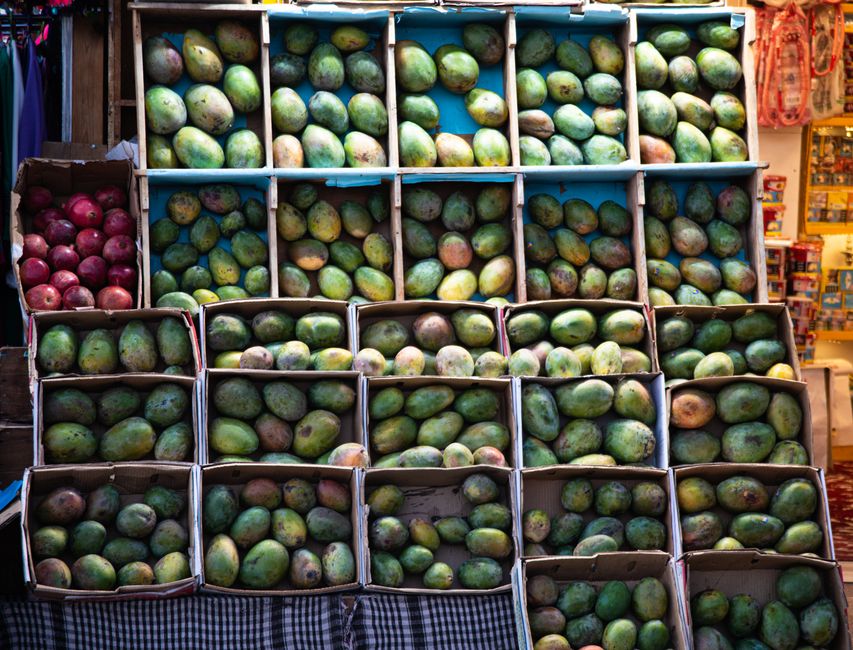
You don't need to become a standards expert overnight. You need to work with partners who already understand the landscape and can guide you through it.
Start by identifying your target buyer market. European importers have different requirements than Middle Eastern wholesalers or North American distributors. Know who you're selling to, and research their specific standards and certifications before you source your first container.
Then build your supplier relationships with compliance as a baseline conversation. Don't ask "Do you have GlobalGAP?" late in the process. Make it part of your first conversation. Growers and exporters who are serious about the wholesale market already have this stuff dialed in. They'll welcome the clarity.
Finally, track and document everything. Keep your phytosanitary certificates, import permits, cold-chain logs, and compliance certifications organized and accessible. When a buyer asks for proof of compliance, you deliver it within hours, not days. That reliability builds trust and repeat business.
Ready to source from suppliers who meet international quality standards? Connect with Atlas Agro Trade to access pre-vetted producers and exporters across Africa who understand the compliance framework your buyers demand.
Frequently Asked Questions About Fresh Produce Wholesale Quality Standards
What's the difference between GlobalGAP and regional quality standards?
GlobalGAP is a private certification standard that covers production, sourcing, and post-harvest handling across the supply chain. It's widely required by European and North American retailers and importers. Regional standards, like EU regulations or USDA requirements, are legal minimums set by governments. Most commercial fresh produce exporters meet both GlobalGAP and the regional standards of their target markets. GlobalGAP is often the higher bar.
Do I need phytosanitary certificates for every shipment?
Yes. Phytosanitary certificates are legally required to cross international borders for most fresh produce. They prove your shipment has been inspected and is free from regulated pests and diseases. Without one, customs will hold or reject your shipment. Your exporting country's plant health authority issues these, usually through official inspection at the port or packing facility before the container is sealed.
How detailed does traceability need to be?
It depends on your buyer and product category. Some buyers want traceability to the individual farm and harvest date. Others accept traceability to the country of origin and lot number. The key is understanding your buyer's requirements upfront and making sure your suppliers can meet that level of documentation. Atlas Agro Trade works with suppliers across different traceability levels so you can match your sourcing to your buyer's needs.
What happens if my shipment doesn't meet quality standards?
Non-compliance typically results in rejection at port of entry, shipment holds for inspection or remediation, or return to the exporter. Your buyer may refuse delivery and charge you for storage and logistics costs. In serious cases, repeated non-compliance can result in loss of market access or import restrictions. This is why working with suppliers who have a track record of compliance and quality management is so critical for your business.
Learn more at atlasagrotrade.com