Best Fresh Produce to Import From Morocco in 2026
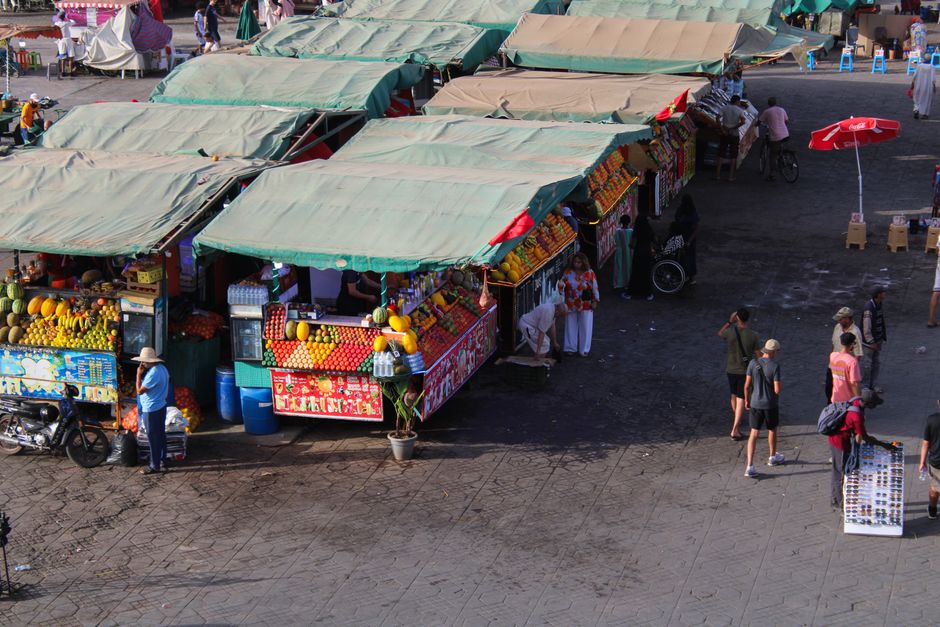
You're ready to bring premium African produce into your supply chain, but finding a reliable Moroccan sourcing partner feels overwhelming. Between navigating trade regulations, ensuring quality standards, and managing cold chain logistics, the friction points pile up fast. Here's the good news: importing fresh produce from Morocco is entirely doable when you work with experienced partners who understand both the agricultural side and the compliance requirements.
Morocco exports over $1.97 billion in fresh produce annually to international markets, and that volume exists for a reason. The country produces world-class citrus, tomatoes, pumpkins, and zucchini that meet European quality standards and arrive in North America, the Middle East, and Europe in pristine condition. But to actually close those imports yourself, you need a roadmap.
Let's walk through what makes importing Moroccan produce work, why buyers are choosing it, and how to get started without the typical headaches.
Why Import Fresh Produce From Morocco Right Now
The Moroccan agricultural sector is built for export. Suppliers here have 15+ years of experience managing large-scale supply chains that cross continents. They understand what European retailers demand, how Middle Eastern distributors operate, and what North American customs expects. That maturity matters when you're importing at scale.
The volume is real. In 2025 alone, the US imported nearly $2 billion in goods from Morocco, with fresh produce representing a significant portion of that flow. Why? Quality-to-cost ratio. Moroccan citrus and vegetables meet premium standards without the premium-only pricing you'd see from some European sources.
Related: Quality Standards for Fresh Produce Wholesale Trade
Related: What Can I Import From Morocco? Fresh Produce & Trade Guide
Related: What Can I Import From Morocco? Fresh Produce & Trade Guide
Related: What Can I Import From Morocco? Fresh Produce & Trade Guide
Related: What Can I Import From Morocco? Fresh Produce & Trade Guide
Related: What Can I Import From Morocco? Fresh Produce & Trade Guide
Related: What Can I Import From Morocco? Fresh Produce & Trade Guide
Related: What Can I Import From Morocco? Fresh Produce & Trade Guide
Related: What Can I Import From Morocco? Fresh Produce & Trade Guide
Related: What Can I Import From Morocco? Fresh Produce & Trade Guide
Related: What Can I Import From Morocco? Fresh Produce & Trade Guide
Related: What Can I Import From Morocco? Fresh Produce & Trade Guide
Related: What Can I Import From Morocco? Fresh Produce & Trade Guide
Related: What Can I Import From Morocco? Fresh Produce & Trade Guide
Related: What Can I Import From Morocco? Fresh Produce & Trade Guide
Related: What Can I Import From Morocco? Fresh Produce & Trade Guide
Related: What Can I Import From Morocco? Fresh Produce & Trade Guide
Related: What Can I Import From Morocco? Fresh Produce & Trade Guide
Related: What Can I Import From Morocco? Fresh Produce & Trade Guide
Related: What Can I Import From Morocco? Fresh Produce & Trade Guide
Related: What Can I Import From Morocco? Fresh Produce & Trade Guide
Related: What Can I Import From Morocco? Fresh Produce & Trade Guide
Related: What Can I Import From Morocco? Fresh Produce & Trade Guide
Related: FOB CIF DDP Fresh Produce Trade Terms Explained
Cold chain handling is non-negotiable, and Moroccan exporters have the infrastructure locked down. Ocean freight routes are established. Port logistics are predictable. When you import fresh produce from Morocco through a verified supplier, you're tapping into a supply chain that's already proven itself on thousands of shipments.
Related: What Are the Challenges of Fresh Produce Supply Chain?
Related: Cold Chain Logistics Cost Guide for Fresh Produce Importers
Related: African Produce Export Morocco Compliance: Full Guide 2026
Related: African Produce Export Morocco Compliance: Full Guide 2026
Related: African Produce Export Morocco Compliance: Full Guide 2026
Related: African Produce Export Morocco Compliance: Full Guide 2026
Related: African Produce Export Morocco Compliance: Full Guide 2026
Related: African Produce Export Morocco Compliance: Full Guide 2026
Related: African Produce Export Morocco Compliance: Full Guide 2026
Related: African Produce Export Morocco Compliance: Full Guide 2026
Related: African Produce Export Morocco Compliance: Full Guide 2026
Related: African Produce Export Morocco Compliance: Full Guide 2026
Related: African Produce Export Morocco Compliance: Full Guide 2026
Related: African Produce Export Morocco Compliance: Full Guide 2026
Related: African Produce Export Morocco Compliance: Full Guide 2026
Related: African Produce Export Morocco Compliance: Full Guide 2026
Related: African Produce Export Morocco Compliance: Full Guide 2026
Related: African Produce Export Morocco Compliance: Full Guide 2026
Related: African Produce Export Morocco Compliance: Full Guide 2026
Related: African Produce Export Morocco Compliance: Full Guide 2026
Related: African Produce Export Morocco Compliance: Full Guide 2026
Related: African Produce Export Morocco Compliance: Full Guide 2026
Related: African Produce Export Morocco Compliance: Full Guide 2026
Related: African Produce Export Morocco Compliance: Full Guide 2026
Related: African Fruit & Vegetable Export from Morocco: Routine Steps & 2026 Data
Related: Morocco Agricultural Trade Regulations & Documentation Guide
If you're evaluating sourcing partners, Atlasagrotrade brings end-to-end supply chain management, verified credentials, and international compliance expertise. That's the kind of partner that turns imports from risky into routine.
What Fresh Produce Categories You Can Actually Import
Moroccan suppliers focus on products with proven export demand and robust supply volumes. These aren't niche items; they're staples moving through international distribution networks every single day.
Related: Best Produce Suppliers 2026: Top 5 Ranked for B2B Import-Export
Related: Best Fresh Produce Companies 2026: Top 5 Ranked
- Citrus Fruits: Oranges, lemons, and grapefruits. These are high-volume exports that ship globally. Quality is consistent, shelf life is predictable, and the market demand is constant.
- Tomatoes: Fresh market tomatoes meeting EU standards. Retailers and distributors across Europe and North America source these regularly.
- Pumpkins and Winter Squash: Seasonal demand is strong, and Moroccan volume is reliable. Perfect if you're supplying into seasonal retail or food service.
- Zucchini and Courgettes: Year-round availability, consistent quality, and established shipping channels to major markets.
The key is this: these categories exist at scale because they've been proven in trade. You're not experimenting with untested supply chains; you're joining an established flow of commerce.
Understanding Import Regulations and Compliance
Importing fresh produce isn't just arranging a shipment. It's coordinating with customs, meeting phytosanitary requirements, confirming tariff classifications, and ensuring your supplier holds the right export credentials.
Morocco's trade agreements matter. Recent tariff policy changes have suspended customs duties on certain commodities (effective June 2022), but your specific product category and destination market will determine your exact obligations. That's why you need a partner who tracks these details.
EU standards are the gold standard globally. If Moroccan produce meets European import requirements, it typically clears North American and Middle Eastern regulations too. But "typically" isn't good enough. You need confirmation on phytosanitary certificates, pest risk assessments, and origin documentation before containers leave the port.
The actual import process requires coordination on sourcing procedures, regulatory compliance verification, and logistics staging. This is where many first-time importers stumble. You need someone who's done this hundreds of times, not someone learning as they go.
Cold Chain and Logistics: Getting Produce From Morocco to Your Door
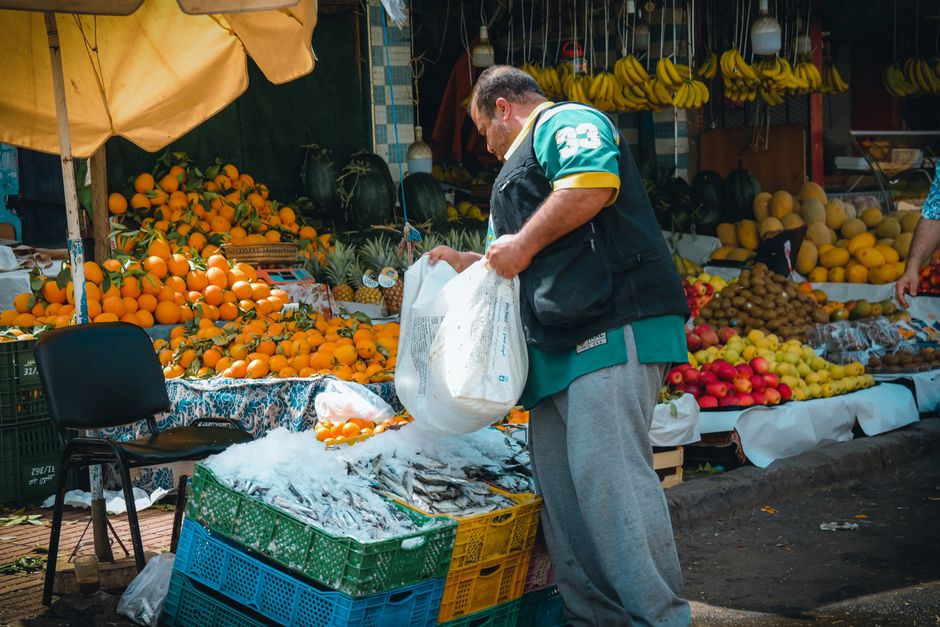
Fresh produce dies if the cold chain breaks. Morocco's logistics infrastructure is designed specifically around this reality. Refrigerated shipping containers leave Moroccan ports regularly. Ocean freight timelines to Europe average 5-7 days; to North America, 10-14 days depending on the port. That timeline is tight enough to maintain freshness and loose enough to be predictable.
You'll coordinate with your Moroccan supplier on harvest schedules, port loading, cold storage staging, and destination port logistics. Atlasagrotrade handles this kind of end-to-end coordination as standard practice, which is why importers who've done this before trust experienced suppliers over first-timers.
Insurance matters too. Fresh produce shipments include standard cargo insurance, but you'll want clarity on who covers what (spoilage, damage, loss) before containers leave the dock. Established suppliers have these policies in place and communicate them upfront.
How to Start Importing: Your First Steps
You don't need to lock into a contract immediately. Start with a conversation about volume requirements, product specifications, and pricing. Ask for references from other importers they've worked with. Request samples if possible. Confirm their export licenses and compliance certifications.
The best Moroccan suppliers understand that building trust takes time. They'll provide documentation, answer detailed questions about their sourcing procedures, and walk you through their quality control process. If a supplier pushes you to decide before you're ready, that's a red flag.
Once you've identified a potential partner, discuss pilot shipments. Small volumes let you test their reliability, quality consistency, and responsiveness to your specific needs. You'll learn how their communication works, how they handle logistics, and whether they're as professional in execution as they are in the sales conversation.
Payment terms typically involve a deposit (often 30-50%) followed by payment before shipment or on arrival, depending on your relationship and volume. As you scale, terms become more favorable. That's how trust builds in international trade.
When you're ready to move from research to action, partnering with a verified importer like Atlasagrotrade removes friction across sourcing, compliance, and logistics. That's worth the conversation.
Why Verified Suppliers Matter More Than Price
The cheapest Moroccan supplier isn't always the best deal. You might save 5-10% on unit cost but lose weeks to delayed shipments, deal with inconsistent quality, or face compliance issues that trigger customs holds. That 5% savings evaporates the moment your shipment is delayed or rejected.
Verified suppliers have skin in the game. They've built reputations over years or decades. They have documented compliance records. They've earned the trust of importers in Europe, the Middle East, and North America because they deliver consistently.
Look for suppliers with established cold chain infrastructure, clear documentation of export certifications, and willingness to provide references. These signals tell you they're serious about long-term partnerships, not quick transactions.
The best importers we work with prioritize reliability over rock-bottom pricing. They understand that sourcing is about building predictable supply chains, not gambling on unknown vendors.
Connecting With Moroccan Produce Suppliers Today

The infrastructure for importing fresh produce from Morocco is mature and well-traveled. Thousands of shipments cross these routes annually. Your job is finding the right partner who understands your market, respects your requirements, and communicates transparently.
Start by reaching out to established import-export firms with verified track records in African produce. Ask detailed questions. Confirm their compliance standing. Request references. Move slowly at first, then scale as confidence builds.
If you're ready to explore sourcing options with a partner who specializes in exactly this work, Atlasagrotrade offers end-to-end supply chain management and can walk you through the entire import process from sourcing to delivery.
What are typical lead times for importing produce from Morocco?
Lead times depend on your product and destination. Most Moroccan suppliers need 2-4 weeks notice for sourcing and preparation. Ocean freight to Europe takes 5-7 days; to North America, 10-14 days. Total time from order to arrival is typically 4-6 weeks for North America, 3-5 weeks for Europe. Established suppliers can sometimes accelerate if needed, but standard timelines give you predictability.
What compliance documents do I need for importing Moroccan produce?
You'll need the commercial invoice, packing list, bill of lading, phytosanitary certificate (confirming the produce is pest and disease-free), certificate of origin, and any required import permits from your destination country. Your supplier should provide most of these; your customs broker will coordinate the rest. EU standards are the baseline; if your supplier meets those, you're usually in solid position for most global markets.
Can I do a small pilot shipment before committing to larger volumes?
Absolutely. Good suppliers encourage pilot shipments because they demonstrate capability and build trust. Expect smaller volumes to have slightly higher per-unit costs, but it's worth the investment to validate quality, logistics, and communication before scaling. Most established importers start small and grow their relationships over time.
What's the typical cost difference between Moroccan and European produce?
Moroccan produce typically costs 10-30% less than equivalent European sources while meeting the same quality standards. The exact difference varies by product, season, and volume. Citrus and tomatoes generally show the strongest value proposition. Larger volumes unlock better per-unit pricing, and longer-term partnerships often include better terms than one-off purchases.
Learn more at atlasagrotrade.com