Cold Chain Logistics Management: Complete Guide for Fresh Produce

Cold chain logistics management is the backbone of fresh produce import-export. Without it, your citrus, berries, vegetables, and exotic fruits spoil before they reach buyers. It's not complicated once you understand the three core pieces: temperature-controlled storage, refrigerated transport, and real-time monitoring that works together.
Let's walk through what actually matters and how to build a system that keeps your products fresh, compliant, and profitable.
What is Cold Chain Logistics Management?
Cold chain logistics management is the specialized handling, storage, and transport of temperature-sensitive goods in controlled environments from the moment they leave the farm until they arrive at your buyer's warehouse.
For fresh produce, this means maintaining the right temperature (usually between 0°C and 15°C depending on the product) throughout every step: harvest, packing, storage, transport, and handoff. Break the chain at any point, and spoilage accelerates, quality drops, and you lose money.
Related: Cold Chain Problems in Fresh Produce Export: Full Breakdown
When you're sourcing fruit from African growers or exporting to Middle Eastern, European, or North American buyers, cold chain management directly impacts whether your shipment arrives fresh or arrives as a financial loss.
The Three Essential Components of Cold Chain Logistics
Think of cold chain management as a three-legged stool. Remove one leg, and the whole thing collapses.
1. Temperature-Controlled Storage
This starts at the farm or packing station. Your produce needs a cold room or refrigerated facility that holds steady temperatures without fluctuation. Wild temperature swings (even 2-3°C variations) trigger ripening, condensation, and mold growth.
The storage facility should have backup power, regular temperature logging (manual or digital), and proper air circulation. Dead zones where cold air doesn't reach are where spoilage begins.
2. Refrigerated Transport
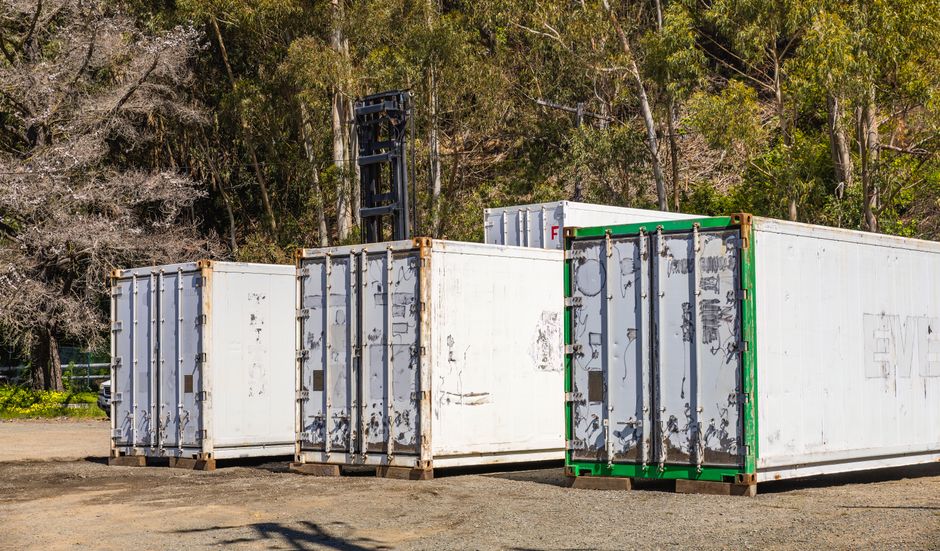
Your shipment then moves into reefer containers (refrigerated sea containers) or refrigerated trucks. These vehicles maintain temperature during transit, whether that's a 20-hour port-to-warehouse drive or a 2-week ocean crossing to Europe.
Reefer containers are the standard for international fresh produce. They're expensive to operate, but they're non-negotiable for long-distance exports. The alternative (unrefrigerated containers) only works for hardy, short-shelf-life produce on regional routes.
3. Real-Time Data Monitoring
This is where most small exporters fall short. You need continuous visibility into what's happening inside your container: temperature, humidity, and time. Digital monitoring systems send alerts if temperature drifts, letting you catch problems before they become total losses.
Devices like Bluetooth data loggers, GPS-enabled trackers, and cloud-based temperature dashboards are now affordable and standard practice. Atlas Agro Trade uses these tools across all shipments to keep buyers informed and protect quality.
Why Cold Chain Logistics Management Matters for Your Bottom Line
You're sourcing fresh produce to sell at a profit. Cold chain failures eat into that margin in three ways:
Related: Cold Chain Logistics Cost Guide for Fresh Produce Importers
Related: Cold Chain Logistics Cost Guide for Fresh Produce Importers
Related: Cold Chain Logistics Cost Guide for Fresh Produce Importers
Related: Cold Chain Logistics Cost Guide for Fresh Produce Importers
Related: Cold Chain Logistics Cost Guide for Fresh Produce Importers
Related: Cold Chain Logistics Cost Guide for Fresh Produce Importers
Related: Cold Chain Logistics Cost Guide for Fresh Produce Importers
Related: Cold Chain Logistics Cost Guide for Fresh Produce Importers
Related: Cold Chain Logistics Cost Guide for Fresh Produce Importers
Related: Cold Chain Logistics Cost Guide for Fresh Produce Importers
Related: Cold Chain Logistics Cost Guide for Fresh Produce Importers
Related: Cold Chain Logistics Cost Guide for Fresh Produce Importers
Related: Cold Chain Logistics Cost Guide for Fresh Produce Importers
Related: Cold Chain Logistics Cost Guide for Fresh Produce Importers
Related: Cold Chain Logistics Cost Guide for Fresh Produce Importers
Related: Cold Chain Logistics Cost Guide for Fresh Produce Importers
Related: Cold Chain Logistics Cost Guide for Fresh Produce Importers
Related: Cold Chain Logistics Cost Guide for Fresh Produce Importers
Related: Cold Chain Logistics Cost Guide for Fresh Produce Importers
Related: Cold Chain Logistics Cost Guide for Fresh Produce Importers
Related: Cold Chain Logistics Cost Guide for Fresh Produce Importers
Related: Cold Chain Logistics Cost Guide for Fresh Produce Importers
Related: Best Cold Chain Logistics PDF Guide for Produce Importers
Related: Cold Chain Logistics in Agricultural Trade: Complete Guide
Related: Affordable Cold Chain Logistics for Produce Trade: Complete Guide
Related: Affordable Cold Chain Logistics for Produce Trade: Complete Guide
Related: Affordable Cold Chain Logistics for Produce Trade: Complete Guide
Related: Affordable Cold Chain Logistics for Produce Trade: Complete Guide
Related: Affordable Cold Chain Logistics for Produce Trade: Complete Guide
Related: Affordable Cold Chain Logistics for Produce Trade: Complete Guide
Related: Affordable Cold Chain Logistics for Produce Trade: Complete Guide
Related: Affordable Cold Chain Logistics for Produce Trade: Complete Guide
Related: Affordable Cold Chain Logistics for Produce Trade: Complete Guide
Related: Affordable Cold Chain Logistics for Produce Trade: Complete Guide
Related: Affordable Cold Chain Logistics for Produce Trade: Complete Guide
Related: Affordable Cold Chain Logistics for Produce Trade: Complete Guide
Related: Affordable Cold Chain Logistics for Produce Trade: Complete Guide
Related: Affordable Cold Chain Logistics for Produce Trade: Complete Guide
Related: Affordable Cold Chain Logistics for Produce Trade: Complete Guide
Related: Affordable Cold Chain Logistics for Produce Trade: Complete Guide
Related: Affordable Cold Chain Logistics for Produce Trade: Complete Guide
Related: Affordable Cold Chain Logistics for Produce Trade: Complete Guide
Related: Affordable Cold Chain Logistics for Produce Trade: Complete Guide
Related: Affordable Cold Chain Logistics for Produce Trade: Complete Guide
Related: Affordable Cold Chain Logistics for Produce Trade: Complete Guide
Related: Affordable Cold Chain Logistics for Produce Trade: Complete Guide
Related: Cold Chain Logistics for Produce Trade: Step-by-Step Guide
- Spoilage loss: Produce that arrives damaged, moldy, or overripe can't be sold at full price, if at all.
- Buyer penalties: Import regulations (like those in Europe and North America) include quality standards. Arrive with damage rates above 5-10%, and your buyer may reject the shipment or demand credit.
- Compliance violations: Many export markets require documentation proving you maintained cold chain integrity. Miss this, and your shipment gets held at port, adding demurrage charges.
A single rejected 20-foot container of berries or grapes costs 3,000-5,000 USD in lost product, plus logistics fees and damaged customer relationships. Cold chain management prevents that.
Real-Time Monitoring: The Game-Changer
Five years ago, real-time monitoring was a luxury. Today it's table stakes for serious exporters.
Digital monitoring systems log temperature, humidity, and shock data continuously. If your container's temp climbs above your target range, the system alerts you immediately. You can then troubleshoot: Is the reefer unit failing? Is a dock door open? Did the shipment sit in the sun too long?
This real-time feedback also builds trust with buyers. They can see proof that the cold chain stayed intact, which is especially valuable for certified organic or GlobalGAP-certified products where audit trails matter.
When you're working with Atlas Agro Trade or similar professional exporters, monitoring dashboards are part of the service. You get daily updates on your shipment's condition, not just a delivery notification weeks later.
Temperature Standards by Product Type
Different produce needs different temperatures. Get it wrong, and you're either wasting refrigeration energy or accelerating spoilage.
- Citrus (oranges, lemons, limes): 5-8°C. Citrus tolerates cold well and has longer shelf life (3-4 weeks).
- Berries and grapes: 0-2°C. These are fragile and have short shelf life (1-2 weeks). Even 1°C higher accelerates mold.
- Exotic fruits (mangoes, avocados): 10-15°C. Too cold and they stop ripening or develop chilling injury.
- Fresh vegetables (peppers, tomatoes, leafy greens): 4-8°C for most. Leafy greens prefer 2-4°C.
Your exporter should know these specifications and set up containers accordingly. If you're sourcing from multiple African suppliers and consolidating shipments, make sure all products in the same container are compatible temperatures. Mixed loads need compromise settings that work for all items.
Documentation and Compliance
Cold chain management isn't just operational. It's also a compliance requirement. Buyers in Europe and North America expect documentation proving cold chain integrity:
- Temperature logs from storage and transport.
- Reefer container certificates showing unit maintenance and calibration.
- Inspection reports at origin, in-transit, and at destination.
- Phytosanitary and quality certificates aligned with arrival condition.
Missing this paperwork can trigger port holds, inspections, and delays that cost thousands. Professional exporters build this documentation into every shipment as routine.
Sustainability and Climate Readiness in Cold Chain Logistics Management
2026 is a critical year for cold chain innovation. The industry is moving toward lower-emission refrigeration, better insulation, and energy-efficient systems.
Some forward-thinking exporters are adopting biodegradable cooling packs and solar-powered cold storage to reduce environmental impact. Buyers increasingly ask about this, especially in European markets where carbon footprint tracking is becoming mandatory.
You don't need cutting-edge technology to compete, but you do need to know your system's carbon footprint and be ready to document it. Refrigeration using older HFC gases is being phased out. Natural refrigerants (CO2, hydrocarbons, ammonia) are becoming standard for new facilities.
If you're planning to scale exports over the next 2-3 years, Atlas Agro Trade can connect you with cold storage partners and reefer operators that align with these emerging standards.
Common Cold Chain Mistakes and How to Avoid Them
Learning from others' failures saves you money. Here are the biggest mistakes we see in the fresh produce trade:
Mistake 1: Inconsistent Pre-Cooling
Produce arriving from the farm at 25°C gets packed directly into a reefer container. The cold chain doesn't start at the farm; it starts when the product is cooled to target temperature before loading. If you skip or rush pre-cooling, the container has to work twice as hard to bring the temperature down, and you risk condensation and uneven cooling.
Mistake 2: Underestimating Transit Time
A shipment from Morocco to Rotterdam takes 5-7 days. From a remote African region to the port, add 2-3 days. That's 8-10 days of storage plus 7 days in transit. Berries with a 10-day shelf life will arrive at the edge of spoilage if anything goes wrong. Plan for realistic transit windows and product lifespan, not best-case scenarios.
Mistake 3: Ignoring Humidity Control
Cold rooms and reefers need proper humidity (usually 85-95% for produce). Too dry and produce dehydrates and shrinks. Too wet and mold thrives. Most small exporters neglect humidity monitoring, focusing only on temperature.
Mistake 4: No Contingency Plan
What happens if your reefer unit fails mid-ocean or your power goes out at the cold store? You need a backup plan: alternate reefers on standby, nearby cold storage facilities, or arrangements with your logistics partner for emergency rerouting. Hope it never happens, but plan for it anyway.
How to Build Your Cold Chain Logistics Management System
Start with these steps if you're new to this or upgrading your current setup:
Step 1: Know Your Product Requirements
Document the temperature, humidity, and shelf-life requirements for every product you export. This becomes your specification sheet.
Step 2: Source a Reliable Cold Storage Facility at Origin
Your exporter or consolidation point needs a certified cold store with backup power, regular maintenance, and documented temperature logging.
Step 3: Contract Reefer Equipment and Logistics
Work with freight forwarders or 3PL providers that specialize in fresh produce. They'll arrange reefer containers, ensure proper maintenance, and manage documentation.
Step 4: Install Real-Time Monitoring
Add digital temperature/humidity sensors to every shipment. Choose a system that integrates with your buyer's requirements (some require specific data formats or reporting platforms).
Step 5: Establish Quality Checkpoints
Inspect product before loading, log container sealing, and verify condition upon arrival. Photo documentation at key points protects both you and your buyer in case of disputes.
Step 6: Train Your Team
Everyone handling the product—from harvest to packing to cold store to container loading—needs to understand why cold chain integrity matters. A single careless step by one person can spoil an entire shipment.
If you're serious about scaling fresh produce exports and need a partner that lives and breathes cold chain management, Atlas Agro Trade has the infrastructure and expertise to handle citrus, berries, exotic fruits, and vegetables across Africa to global markets.
Technology and Tools Worth Considering
You don't need to invest in everything at once, but these tools are worth evaluating:
- IoT Temperature Sensors: Devices like Sensitech, Varcode, or Roambee loggers track temperature in real-time and send alerts.
- Blockchain Traceability: Some exporters use blockchain to create immutable records of cold chain handling. Overkill for most, but growing in premium markets.
- Reefer Container Telematics: GPS and temperature data built into the reefer unit itself, managed by the container provider.
- Cloud-Based Dashboards: Software that centralizes all monitoring data, generates compliance reports, and flags anomalies automatically.
Start with basic temperature loggers and regular documentation. Upgrade as your volumes grow.
People Also Ask
How long can fresh produce stay in cold storage without spoiling?
It depends on the product. Citrus lasts 3-4 weeks at proper temperature. Berries and grapes last 1-2 weeks. Leafy greens last 7-10 days. The cold chain extends shelf life but doesn't reverse time. Plan your logistics around the shortest shelf-life product in your shipment.
What temperature should a reefer container be set to for mixed produce?
Set it to the coldest requirement among your products. If you're mixing citrus (5-8°C) with berries (0-2°C), use 2°C. Citrus won't mind being colder, but berries will suffer if it's warmer. Always err on the side of colder, not warmer.
Who is responsible for cold chain management, the exporter or the importer?
Responsibility is shared. The exporter is accountable for cold chain integrity until handoff at the port or destination. The importer manages cold chain from receipt onward. In practice, professional exporters maintain responsibility throughout the entire journey using monitoring and documentation. Terms like CIF and DDP clarify where risk and responsibility transfer.
Can you recover product that's been exposed to warm temperatures?
Not really. Once produce has experienced temperature abuse (being warm for hours or days), ripening, mold growth, and quality loss accelerate. You can't reverse it. Prevention through proper cold chain management is your only option.
Learn more at atlasagrotrade.com