What Is a Produce Station? B2B Fresh Produce Hub Guide

A produce station is basically your command center for sourcing, receiving, and distributing fresh fruits and vegetables in bulk. Think of it as a physical hub where wholesale buyers, importers, and distributors connect directly with growers and suppliers to move product efficiently through the cold chain. If you're in the B2B fresh produce game, a produce station is where quality checks happen, certifications get verified, and logistics get locked in before shipment to your end customers.
What Exactly Is a Produce Station?
A produce station is a storage and distribution facility designed specifically for fresh agricultural products. It's equipped with cold storage units, sorting and grading lines, packaging areas, and loading docks. The core job: receive raw product from farms or consolidation points, inspect for quality and phytosanitary compliance, organize inventory, and prepare shipments for export or domestic distribution.
Unlike a grocery store, a produce station operates entirely in the B2B wholesale space. You won't see walk-in customers. Instead, you'll see freight containers, palletized loads, and documentation like bills of lading and phytosanitary certificates moving constantly.
A well-run produce station maintains strict temperature control, traceability systems, and quality documentation. This is where your GlobalGAP certifications and organic credentials get verified before product leaves the country.
Why Produce Stations Matter in Import-Export Trade
When Atlas Agro Trade sources citrus from North Africa or exotic fruits from across the continent, those products don't just teleport to European warehouses. They flow through produce stations that act as quality gatekeepers and logistics hubs.
Here's why they're critical:
- Quality Assurance: Every unit gets inspected, sorted by grade, and tested for defects before it reaches your buyer. This is non-negotiable for maintaining contracts and reputation.
- Compliance and Documentation: Phytosanitary certificates, organic paperwork, traceability records, and customs documentation all originate here. Without clean paperwork, your container sits at the port.
- Cold Chain Integrity: Temperature stays locked in at 0-4°C (depending on product type). If your berries or leafy vegetables break temperature for even a few hours, quality degrades fast.
- Consolidation and Efficiency: Smaller grower lots get combined into full container loads (FCL) or less-than-container loads (LCL), reducing freight costs and waste.
- Traceability: You know exactly which farm supplied which batch, when it arrived, and where it went. This is critical for recall management and buyer audits.
How a Produce Station Operates: Step-by-Step
1. Receiving and Inspection
Product arrives from farms or collection centers. Station staff performs visual inspection for defects, diseases, or contamination. Samples are tested for pesticide residues or microbial loads if required by buyer specifications or destination regulations. All batches are logged into the traceability system with farm origin, harvest date, and lot number.
2. Sorting and Grading
Automated or manual sorting lines separate product by size, color, ripeness, and defect level. Class 1 fruit goes one direction, Class 2 (minor blemishes) goes another. Reject rates are documented and communicated back to suppliers. This is where discipline separates reliable exporters from inconsistent ones.
3. Storage and Inventory Management
Sorted product moves into cold rooms maintained at optimal temperature and humidity. Modern stations use digital inventory systems to track stock location, shelf life, and rotation. Older FIFO (first-in, first-out) rotation is standard to prevent spoilage and ensure freshness on arrival.
4. Packaging and Labeling
Product gets packed into food-grade export cartons or bins. Labels include origin, variety, harvest date, destination address, and handling instructions. If your buyer is in the EU, you'll see specific labeling requirements for allergens or country-of-origin. In the Middle East, labels might need to be in Arabic.
5. Documentation and Certification
This is where Atlas Agro Trade teams verify phytosanitary certificates with local agricultural authorities, compile organic or GlobalGAP certifications, and prepare commercial invoices, packing lists, and bills of lading. All paperwork is cross-checked before the container seals.
6. Loading and Shipment
Palletized boxes are loaded into refrigerated containers (reefers). Temperature and humidity probes are activated. Seals are applied. Final paperwork gets handed to the forwarder. The clock is now running on your cold-chain journey to the port and across the ocean.
Key Features of a Professional Produce Station
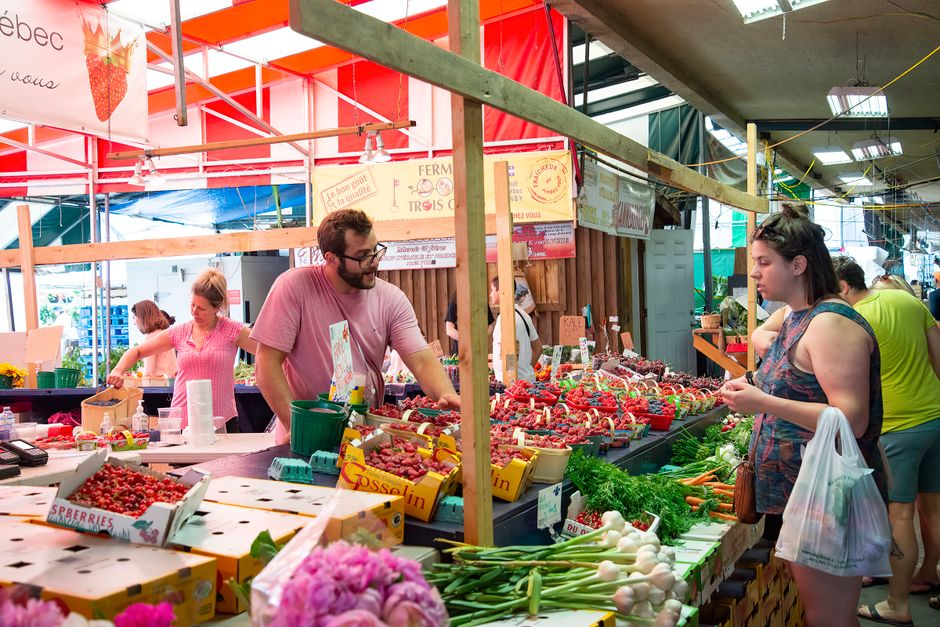
Not all produce stations are equal. A buyer or exporter shopping for a partner should look for these features:
- Temperature Control: Separate cold rooms for different product types (tropical fruit at 12-15°C, berries at 0-2°C). Backup generators and redundant cooling systems. Real-time digital monitoring with alerts.
- Food Safety Certifications: GlobalGAP, FSSC 22000, or equivalent. Regular third-party audits. Hygiene protocols documented and enforced.
- Traceability System: Digital tracking from farm to loading dock. Batch segregation. Ability to recall specific lots within hours.
- Laboratory Testing: In-house or partnered labs for residue, microbial, or firmness testing. Results documented and filed.
- Skilled Staff: Trained sorters, graders, and quality inspectors. Understanding of export standards (USDA, UNECE, EU regs). Multi-language capability for international coordination.
- Logistics Coordination: Forwarder partnerships, customs brokerage, carrier relationships. Ability to arrange FCL and LCL shipments on demand.
Produce Stations and Trade Terms
The role of a produce station shifts slightly depending on whether you're buying on FOB (free on board), CIF (cost, insurance, freight), or DDP (delivered duty paid) terms.
FOB: The produce station is where the seller's responsibility ends. Your product is inspected, packed, and loaded. Once the container is sealed and handed to the carrier, risk and cost pass to the buyer.
CIF: The seller arranges freight and insurance from the station all the way to the destination port. The station's final quality check is even more critical because the seller is liable for damage in transit.
DDP: The station is just the starting point. The seller maintains responsibility and cost through customs clearance at the destination. The station must ensure all documentation is perfect to avoid delays or penalties at foreign customs.
If you're negotiating with suppliers, these distinctions matter a lot. Work with partners like Atlas Agro Trade who understand how each trade term affects responsibility and risk.
Common Challenges at Produce Stations
Seasonality Swings: Volume spikes during harvest season and plummets during off-season. Stations need flexible staffing and storage to avoid bottlenecks or unused capacity.
Product Loss and Shrinkage: Even in cold storage, decay happens. Reject rates, spillage, and theft eat into margins. Good stations track and report these losses transparently.
Certification Gaps: Buyers increasingly demand organic, Rainforest Alliance, or Fair Trade certification. Stations need to source from growers who have these credentials and maintain separation to avoid cross-contamination with non-certified product.
Regulatory Changes: Pesticide bans, new labeling rules, or tariff classifications shift constantly. A station that stays current on regulations (especially EU and US import rules) keeps shipments moving smoothly.
Cold Chain Breaks: Power outages, equipment failure, or transport delays can ruin an entire shipment. Redundancy and real-time monitoring are expensive but non-negotiable.
How to Choose the Right Produce Station Partner

If you're an importer or distributor hunting for a reliable produce station, here's what to evaluate:
- Visit in person. See the cold rooms, sorting lines, and storage areas. Ask questions about temperature monitoring, backup power, and staff training.
- Review their certifications and audit reports. GlobalGAP, FSSC 22000, and organic certifications matter. Ask for references from other buyers they supply.
- Test their documentation and traceability. Request a sample shipment and ask them to walk you through their paperwork process. Speed and accuracy here prevent customs delays.
- Check their network. A station with strong relationships to quality growers, forwarders, and customs brokers can solve problems fast.
- Ask about their handling of rejects and claims. When your shipment arrives with a quality issue, how do they respond? Do they investigate and compensate, or do they argue?
The Future of Produce Stations
Modern produce stations are becoming increasingly automated and digital. Robotic sorting, AI-powered ripeness detection, and blockchain traceability are no longer futuristic—they're competitive advantages today.
Temperature-controlled autonomous vehicles are reducing manual loading labor. Real-time GPS tracking on containers provides visibility from the cold room to the destination. Smart packaging with QR codes lets end-buyers trace product back to the exact farm and harvest date.
Sustainability is also reshaping operations. Stations are cutting plastic use, investing in renewable energy, and capturing waste water for reuse. Buyers in Europe and North America increasingly expect this.
If you're sourcing fresh produce for wholesale or export, working with Atlas Agro Trade gives you access to stations that blend traditional expertise with modern technology and compliance rigor.
Related: What is a Farm Fresh Company? B2B Produce Sourcing Guide
Related: What is a Farm Fresh Company? B2B Produce Sourcing Guide
Related: What is a Farm Fresh Company? B2B Produce Sourcing Guide
Related: What is a Farm Fresh Company? B2B Produce Sourcing Guide
Related: What is a Farm Fresh Company? B2B Produce Sourcing Guide
Related: What is a Farm Fresh Company? B2B Produce Sourcing Guide
Related: What is a Farm Fresh Company? B2B Produce Sourcing Guide
Related: What is a Farm Fresh Company? B2B Produce Sourcing Guide
Related: What is a Farm Fresh Company? B2B Produce Sourcing Guide
Related: What is a Farm Fresh Company? B2B Produce Sourcing Guide
Related: What is a Farm Fresh Company? B2B Produce Sourcing Guide
Related: What is a Farm Fresh Company? B2B Produce Sourcing Guide
Related: What is a Farm Fresh Company? B2B Produce Sourcing Guide
Related: Best Fresh Produce Association for Import-Export Buyers
Related: Best Fresh Produce Association for Import-Export Buyers
Related: Best Fresh Produce Association for Import-Export Buyers
Related: Best Fresh Produce Association for Import-Export Buyers
Related: Best Fresh Produce Association for Import-Export Buyers
Related: Best Fresh Produce Association for Import-Export Buyers
Related: Best Fresh Produce Association for Import-Export Buyers
Related: What Can I Import From Morocco? Fresh Produce & Trade Guide
Related: What Can I Import From Morocco? Fresh Produce & Trade Guide
Related: What Can I Import From Morocco? Fresh Produce & Trade Guide
Related: What Can I Import From Morocco? Fresh Produce & Trade Guide
Related: What Can I Import From Morocco? Fresh Produce & Trade Guide
Related: What Can I Import From Morocco? Fresh Produce & Trade Guide
Related: What Can I Import From Morocco? Fresh Produce & Trade Guide
Related: What Can I Import From Morocco? Fresh Produce & Trade Guide
Related: What Can I Import From Morocco? Fresh Produce & Trade Guide
Related: What Can I Import From Morocco? Fresh Produce & Trade Guide
Related: What Can I Import From Morocco? Fresh Produce & Trade Guide
Related: What Can I Import From Morocco? Fresh Produce & Trade Guide
Related: What Can I Import From Morocco? Fresh Produce & Trade Guide
Related: What Can I Import From Morocco? Fresh Produce & Trade Guide
Related: What Can I Import From Morocco? Fresh Produce & Trade Guide
Related: What Can I Import From Morocco? Fresh Produce & Trade Guide
Related: What Can I Import From Morocco? Fresh Produce & Trade Guide
Related: What Can I Import From Morocco? Fresh Produce & Trade Guide
Related: What Can I Import From Morocco? Fresh Produce & Trade Guide
Related: What Can I Import From Morocco? Fresh Produce & Trade Guide
Practical Next Steps for Buyers and Suppliers
If you're new to produce trading, start by understanding what happens inside a produce station. Visit one if you can. Watch a sorting line in action. See the cold rooms. Talk to the quality manager about their rejection rates and what causes them.
If you're a grower or supplier, find a station with strong buyer relationships and a track record of consistent quality. Bad station partnerships create cascading problems—rejected shipments, damaged reputation, lost contracts.
Document everything. Traceability is your safety net. If anything goes wrong, you need proof of when product was received, inspected, stored, and loaded. This protects you legally and preserves your buyer relationship.
Finally, remember that a produce station isn't just a warehouse. It's the quality and logistics engine that keeps international fresh produce trade moving. Invest time in finding the right partner.
What's the difference between a produce station and a packing house?
A packing house is located at or near the farm and focuses on initial cleaning, sorting, and packing immediately after harvest. A produce station is typically a consolidation hub further down the supply chain (often near a port or major distribution center) where product from multiple farms gets sorted, quality-checked, combined into export-ready loads, and prepared for international shipment. Packing houses are field-oriented; produce stations are logistics-oriented.
How long can product stay at a produce station before shipping?
It depends on the product. Berries and leafy greens should move within 2-3 days to avoid decay. Citrus and harder fruits can stay 1-2 weeks in proper cold storage without significant quality loss. Most stations aim for rapid turnover—ideally under 5 days—to minimize spoilage risk and ensure freshness at destination. Ask your station partner about their average dwell time.
Do produce stations handle organic product separately?
They should. Organic certification requires strict segregation from non-organic product to prevent cross-contamination and maintain chain-of-custody documentation. A professional station will have dedicated cold rooms, sorting lines, or at minimum separate time windows and cleaning protocols for organic batches. If a station mixes organic and conventional product carelessly, that's a red flag.
Can a produce station handle multiple countries' export requirements?
Yes, if they have the expertise. Exporting to the US requires USDA compliance and different labeling than exporting to the EU (which has stricter pesticide residue limits). A good station has staff or consulting relationships that understand destination-specific regulations. They can adjust sorting standards, documentation, and packaging to meet each buyer's exact requirements.
Learn more at atlasagrotrade.com