What is a Farm Fresh Company? B2B Produce Sourcing Guide
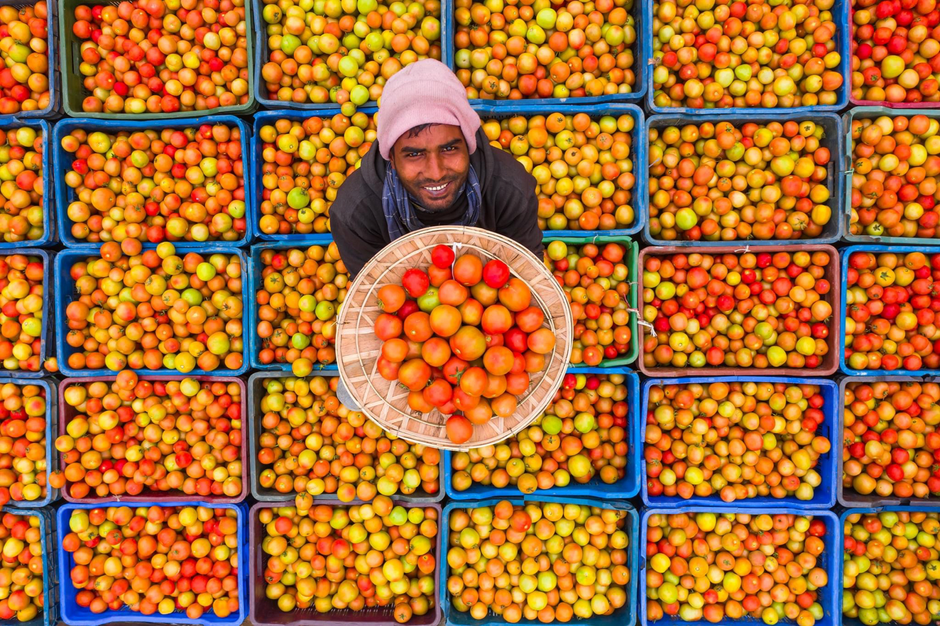
A farm fresh company is a B2B operation that sources fresh fruits and vegetables directly from growers and sells them to wholesale buyers, distributors, and importers across different regions. Unlike retail farm boxes, farm fresh companies work with large volumes, handle customs paperwork, manage cold-chain logistics, and ensure compliance with food safety standards for international trade.
If you're looking to import or distribute fresh produce, understanding how farm fresh companies operate is essential. Let's walk through the model, what makes them tick, and how to partner with reliable suppliers.
Related: What Can I Import From Morocco? Fresh Produce & Trade Guide
Related: What Can I Import From Morocco? Fresh Produce & Trade Guide
Related: What Can I Import From Morocco? Fresh Produce & Trade Guide
Related: What Can I Import From Morocco? Fresh Produce & Trade Guide
Related: What Can I Import From Morocco? Fresh Produce & Trade Guide
Related: What Can I Import From Morocco? Fresh Produce & Trade Guide
Related: What Can I Import From Morocco? Fresh Produce & Trade Guide
Related: What Can I Import From Morocco? Fresh Produce & Trade Guide
Related: What Can I Import From Morocco? Fresh Produce & Trade Guide
Related: What Can I Import From Morocco? Fresh Produce & Trade Guide
Related: What Can I Import From Morocco? Fresh Produce & Trade Guide
Related: What Can I Import From Morocco? Fresh Produce & Trade Guide
Related: What Can I Import From Morocco? Fresh Produce & Trade Guide
Related: What Is a Produce Station? B2B Fresh Produce Hub Guide
Related: What Is a Produce Station? B2B Fresh Produce Hub Guide
Related: What Is a Produce Station? B2B Fresh Produce Hub Guide
Related: What Is a Produce Station? B2B Fresh Produce Hub Guide
Related: What Is a Produce Station? B2B Fresh Produce Hub Guide
Related: What Is a Produce Station? B2B Fresh Produce Hub Guide
Related: What Is a Produce Station? B2B Fresh Produce Hub Guide
Related: What Is a Produce Station? B2B Fresh Produce Hub Guide
Related: What Is a Produce Station? B2B Fresh Produce Hub Guide
Related: What Is a Produce Station? B2B Fresh Produce Hub Guide
Related: What Is a Produce Station? B2B Fresh Produce Hub Guide
Related: What Is a Produce Station? B2B Fresh Produce Hub Guide
Related: What Is a Produce Station? B2B Fresh Produce Hub Guide
How Farm Fresh Companies Source and Supply Produce
A farm fresh company's core job is connecting producers to buyers. They don't always grow the fruit themselves. Instead, they identify growers across regions, negotiate contracts, manage quality control, and handle everything up to delivery at a port or warehouse.
Here's the basic flow:
- Sourcing: Identify and vet agricultural suppliers in producing regions (Morocco, Egypt, South Africa, etc.).
- Contracts & pricing: Negotiate FOB (Free on Board), CIF (Cost, Insurance, and Freight), or DDP (Delivered Duty Paid) terms based on your needs.
- Quality checks: Inspect produce before shipment. Standards like GlobalGAP and organic certification are common.
- Documentation: Prepare phytosanitary certificates, origin documents, and customs paperwork.
- Logistics: Arrange refrigerated transport, port handling, and cold storage to preserve freshness.
- Delivery: Get the product to your warehouse or distribution center on schedule.
The best farm fresh companies know their supply chain inside and out. They have relationships with growers, understand seasonal availability, and can forecast supply gaps before they become problems.
Key Differences Between Farm Fresh Companies and Other Models
You might confuse a farm fresh company with other produce businesses. Here's the breakdown:
- Farm fresh company: B2B sourcing and export. Handles bulk orders, international shipping, and regulatory compliance. Works with wholesalers and distributors.
- Local farm co-op: Direct-to-consumer, smaller scale. Focuses on community sales, delivery to households or farmers markets.
- Produce distributor: Buys from multiple sources (farm fresh companies, brokers, auctions) and resells. May not handle sourcing or export directly.
- Vertical farm operator: Grows their own produce in controlled environments. Smaller footprint, higher cost per unit, premium positioning.
A farm fresh company is the middle player that makes international produce trade possible. Atlas Agro Trade operates in this space, sourcing fresh fruits, vegetables, berries, and citrus from African growers and exporting them to Europe, the Middle East, and North America.
What Farm Fresh Companies Must Handle: Compliance and Standards
Operating as a farm fresh company means navigating food safety, phytosanitary regulations, and trade laws. This is non-negotiable.
- Phytosanitary certificates: Required to prove produce is free from pests and diseases. Each exporting country issues these through official agricultural agencies.
- Food safety audits: Buyers in Europe and North America expect GlobalGAP certification or equivalent. This confirms you follow good agricultural practices.
- Customs documentation: Origin certificates, bills of lading, commercial invoices, and import permits vary by destination country.
- Cold-chain integrity: Temperature monitoring during transport. If the cold chain breaks, produce spoils and regulatory issues can follow.
- Traceability: You must track where each shipment came from and where it went, in case of recalls or contamination.
According to the USDA's Food Safety Modernization Act (FSMA), imported produce must meet the same food safety standards as domestic products. This applies whether you're selling to the U.S., EU, or Middle East.
Poor compliance costs money. Shipments get held at ports, rejected by customs, or recalled from shelves. That's why professional farm fresh companies invest heavily in documentation and traceability systems.
Sourcing Strategy: How Farm Fresh Companies Find Good Suppliers

You can't run a farm fresh company on handshake deals and one-off relationships. You need a sourcing strategy.
Step 1: Identify growing regions. Where is demand high? Where is supply reliable? If you're exporting to Europe, North Africa (Morocco, Egypt) and East Africa (Kenya, Ethiopia) are strong. For the Middle East, similar regions plus South Africa. For North America, you might source from Latin America or Africa.
Step 2: Evaluate grower capabilities. Can they produce the volume you need? Do they have storage, packing facilities, and export experience? Small family farms might produce quality fruit but lack cold storage. Large commercial operations have infrastructure but less flexibility.
Step 3: Verify certifications. Ask for GlobalGAP, organic (if relevant), and food safety audit reports. Don't skip this. A certified grower has been independently audited and meets international standards.
Step 4: Test shipments. Start small. Order one container, inspect quality at arrival, track customer feedback. Only scale up if everything checks out.
Step 5: Lock in contracts. Once you trust a supplier, negotiate multi-season agreements. Seasonal contracts give you price stability and guaranteed supply.
This process takes time, but it's how reliable farm fresh companies build their reputation. When you partner with a trusted B2B fresh produce supplier, you're benefiting from years of sourcing due diligence and grower relationships.
Logistics: Getting Fresh Produce from Farm to Buyer
Logistics is where many farm fresh companies win or lose money. Fresh produce is perishable. Every day in transit is money lost to spoilage and quality degradation.
Cold-chain requirements: Citrus travels at 5-8°C. Berries need 0-2°C. Leafy greens spoil fast, so speed matters as much as temperature. A broken refrigerated truck door for 2 hours can ruin a whole shipment.
Transit times: Sea freight from Morocco to Rotterdam takes 6-10 days. From East Africa to the Middle East, 4-7 days. Air freight is faster (24-48 hours) but costs 5-10x more. Most bulk shipments go by sea or road.
Port handling: Your produce needs storage at the port before and after loading. That's a cost. Delays at customs mean additional cold storage fees. Efficient farm fresh companies pre-clear customs paperwork to minimize dwell time.
Last-mile delivery: Once the shipment lands, how fast does it reach your buyer's warehouse? Temperature-controlled distribution centers matter here.
The goal is minimizing "days in transit" while keeping every step cold. This requires partnerships with reliable freight forwarders, port agents, and cold-storage operators.
Pricing Models: FOB, CIF, and DDP Explained
When you buy from a farm fresh company, the price depends on who handles what. Three trade terms dominate fresh produce:
- FOB (Free on Board): You pay for produce up to the port of loading. You handle freight, insurance, import customs, and delivery. Lower upfront cost, but more responsibility and risk on your end.
- CIF (Cost, Insurance, Freight): The supplier pays for freight and insurance to your port. You handle import customs and onward delivery. Middle ground.
- DDP (Delivered Duty Paid): The supplier delivers to your warehouse and clears all customs. Highest cost, but zero headaches for you.
Your choice depends on your expertise, capital, and risk tolerance. Large importers often prefer FOB for lower costs. Smaller buyers prefer DDP for simplicity.
Market Trends Shaping Farm Fresh Companies in 2026

The fresh produce trade is changing fast. Here's what's happening:
- Food security focus: The Middle East is investing heavily in food imports to secure supply. This is creating growth opportunities for farm fresh companies that can deliver reliable, year-round supply.
- Trade policy volatility: Tariffs, origin rules, and phytosanitary regulations shift regularly. Flexibility and compliance expertise matter more than ever.
- Data-driven operations: Successful farm fresh companies now track ROI on every shipment. Analytics on cost per unit, spoilage rates, logistics efficiency, and buyer retention inform pricing and sourcing decisions.
- Outsourcing growth: More retailers and distributors are outsourcing sourcing to specialized farm fresh companies instead of managing grower relationships themselves.
How to Choose a Farm Fresh Company Partner
If you're a wholesale buyer, distributor, or importer looking for a farm fresh company, ask these questions:
- Do they have verifiable grower relationships in regions you need?
- What certifications do their suppliers hold (GlobalGAP, organic, other)?
- How do they handle quality control and inspections?
- What's their track record on on-time delivery and product freshness?
- Can they provide references from other buyers?
- What documentation and traceability systems do they use?
- How flexible are they on volume, frequency, and FOB/CIF/DDP terms?
- Do they understand your destination market's import regulations?
The best farm fresh companies are transparent, have deep sourcing networks, and obsess over logistics and compliance. When evaluating options, consider Atlas Agro Trade's approach to African produce sourcing — they combine grower relationships, cold-chain expertise, and regulatory knowledge to deliver consistent quality to wholesale buyers across multiple continents.
Common Pitfalls to Avoid
Pitfall 1: Trusting a single supplier. Seasonal shortages, crop failures, or supplier issues are inevitable. Diversify your sourcing. A good farm fresh company has backup suppliers in different regions.
Pitfall 2: Skipping quality inspections. Trust, but verify. Independent third-party inspections at origin and on arrival catch problems early.
Pitfall 3: Underestimating logistics costs. Freight, insurance, port fees, and cold storage add up. Build these into your pricing model from day one.
Pitfall 4: Ignoring compliance. A shipment held at customs for missing paperwork costs thousands in storage and penalties. Invest in proper documentation from the start.
Pitfall 5: Assuming all farm fresh companies are the same. They're not. Some are brokers with no grower relationships. Others are deeply integrated with producers. Ask how deep their sourcing goes.
Getting Started with a Farm Fresh Company
If you're ready to source fresh produce at scale, start here:
- Define your needs: product types, volumes, destination markets, and target price range.
- Identify 2-3 farm fresh companies with experience in your product categories and regions.
- Request samples and references. Ask about certifications and grower details.
- Propose a small trial shipment. Set clear quality standards and delivery expectations upfront.
- Monitor performance: on-time delivery, product quality, communication, and documentation.
- Negotiate longer-term contracts once you're confident in the partnership.
A reliable farm fresh company becomes an extension of your supply chain. They handle sourcing complexity so you can focus on selling. That partnership is worth investing time to get right.
What's the difference between a farm fresh company and a produce wholesaler?
A farm fresh company specializes in sourcing directly from growers, managing quality control, and handling export logistics. A produce wholesaler typically buys from multiple sources (including farm fresh companies, brokers, and auctions) and resells in bulk. Farm fresh companies control the supply chain from farm to port. Wholesalers are middlemen focused on distribution and sales.
Do I need organic certification to sell through a farm fresh company?
Not necessarily. Most farm fresh companies work with both conventional and organic growers. Organic certification costs money and requires stricter practices, so it's only required if your buyers demand it. Ask your intended customers first before committing to organic sourcing.
How long does fresh produce stay good during international shipping?
It depends on the product and conditions. Citrus can travel 2-3 weeks at 5°C with minimal quality loss. Berries and leafy greens last 1-2 weeks. Tropical fruits vary widely. The cold chain must stay intact the entire journey. Even one temperature spike can accelerate spoilage. This is why farm fresh companies invest in monitored refrigeration and fast logistics.
What happens if my shipment doesn't meet quality standards on arrival?
Professional farm fresh companies include quality guarantees in their contracts. If produce arrives with defects due to their handling or logistics, they provide replacements or credits. Document everything with photos and inspection reports. This is why third-party inspections at origin and arrival are standard in the industry.
Learn more at atlasagrotrade.com