Produce Importer Compliance: Phytosanitary Requirements Guide
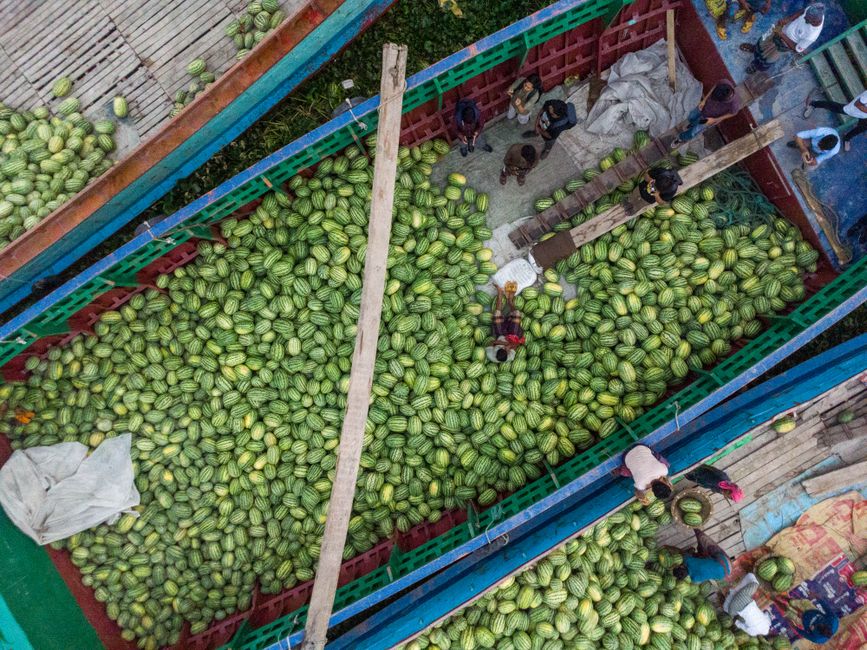
If you're importing fresh produce into the U.S., Europe, or the Middle East, phytosanitary requirements aren't something you can ignore or wing it on. These regulations protect each country's agriculture from pests and diseases, and they're mandatory. The good news: they're totally manageable once you understand the rules.
Let's break down what produce importer compliance actually means, which commodities need phytosanitary certificates, and how to build this into your import timeline so shipments don't get stuck at the port.
Related: African Produce Export Morocco Compliance: Full Guide 2026
Related: African Produce Export Morocco Compliance: Full Guide 2026
Related: African Produce Export Morocco Compliance: Full Guide 2026
Related: African Produce Export Morocco Compliance: Full Guide 2026
Related: African Produce Export Morocco Compliance: Full Guide 2026
Related: African Produce Export Morocco Compliance: Full Guide 2026
Related: African Produce Export Morocco Compliance: Full Guide 2026
Related: African Produce Export Morocco Compliance: Full Guide 2026
Related: African Produce Export Morocco Compliance: Full Guide 2026
Related: African Produce Export Morocco Compliance: Full Guide 2026
Related: African Produce Export Morocco Compliance: Full Guide 2026
Related: African Produce Export Morocco Compliance: Full Guide 2026
Related: African Produce Export Morocco Compliance: Full Guide 2026
Related: African Produce Export Morocco Compliance: Full Guide 2026
Related: African Produce Export Morocco Compliance: Full Guide 2026
Related: African Produce Export Morocco Compliance: Full Guide 2026
Related: African Produce Export Morocco Compliance: Full Guide 2026
Related: African Produce Export Morocco Compliance: Full Guide 2026
Related: African Produce Export Morocco Compliance: Full Guide 2026
Related: Food Export Midwest: Guide for Produce Traders
Related: Food Export Midwest: Guide for Produce Traders
Related: Food Export Midwest: Guide for Produce Traders
Related: Food Export Midwest: Guide for Produce Traders
Related: African Produce Export Morocco Compliance: Full Guide 2026
Related: African Produce Export Morocco Compliance: Full Guide 2026
Related: African Produce Export Morocco Compliance: Full Guide 2026
Related: What Is a Produce Station? B2B Fresh Produce Hub Guide
Related: What is a Farm Fresh Company? B2B Produce Sourcing Guide
Related: What is a Farm Fresh Company? B2B Produce Sourcing Guide
Related: What is a Farm Fresh Company? B2B Produce Sourcing Guide
Related: What is a Farm Fresh Company? B2B Produce Sourcing Guide
Related: What is a Farm Fresh Company? B2B Produce Sourcing Guide
Related: What is a Farm Fresh Company? B2B Produce Sourcing Guide
Related: What is a Farm Fresh Company? B2B Produce Sourcing Guide
Related: What is a Farm Fresh Company? B2B Produce Sourcing Guide
Related: What Is a Produce Station? B2B Fresh Produce Hub Guide
Related: What Is a Produce Station? B2B Fresh Produce Hub Guide
Related: African Produce Export Morocco Compliance: Full Guide 2026
Related: African Produce Export Morocco Compliance: Full Guide 2026
Related: Best Cold Chain Logistics PDF Guide for Produce Importers
Related: Best Cold Chain Logistics PDF Guide for Produce Importers
Related: Organic Produce Certification for African Exporters: A 2026 Guide
What Phytosanitary Requirements Actually Are
A phytosanitary requirement is a rule that an importing country puts in place to make sure incoming agricultural products won't bring pests, diseases, or harmful organisms into their territory.
Related: Best Phytosanitary Requirements Guide for Vegetable Export to Africa
Related: Best Phytosanitary Requirements Guide for Vegetable Export to Africa
Related: Best Phytosanitary Requirements Guide for Vegetable Export to Africa
Related: Best Phytosanitary Requirements Guide for Vegetable Export to Africa
Related: Best Phytosanitary Requirements Guide for Vegetable Export to Africa
Related: Best Phytosanitary Requirements Guide for Vegetable Export to Africa
Related: Best Phytosanitary Requirements Guide for Vegetable Export to Africa
Related: Best Phytosanitary Certificate Citrus Export Process Guide
The U.S. Department of Agriculture (APHIS) oversees all agricultural commodity imports for the United States. Their job is to protect domestic farming from pest and disease threats. Europe has similar systems through national plant health authorities, and the Middle East has its own regulatory bodies.
Here's the key thing: not every piece of produce needs a phytosanitary certificate. But many do. Some commodities need specific post-harvest treatments. Others just need documentation proving they came from an approved source. The requirements depend entirely on what you're shipping and where you're shipping it.
Which Commodities Need Phytosanitary Certificates
Certain fresh produce categories are high-risk for pests or diseases, so importing countries watch them closely.
Citrus fruits almost always require phytosanitary certificates when entering the U.S. or Europe. Tropical fruits like mangoes and avocados frequently do too. Many vegetables require them as well, depending on the specific type and origin.
Berries and grapes can be tricky. Some require certificates; some don't. The difference usually comes down to the pest species found in your source country.
The reality: you have to check commodity-by-commodity. Don't assume your apples follow the same rules as your oranges. Atlas Agro Trade works with exporters daily who verify these requirements before they ever sign a sales contract—not after the fruit is packed and ready to ship.
The Role of Phytosanitary Certificates
A phytosanitary certificate is an official document issued by the exporting country's agricultural authority. It's proof that your shipment meets the importing country's current phytosanitary regulations.
The certificate typically confirms:
- The product originated from an approved source (registered orchard, farm, or packing facility)
- The product has been inspected and found free of the regulated pests or diseases
- Any required post-harvest treatment has been completed
- The shipment complies with the importing country's specific entry requirements
Think of it like a health passport for your produce. Without it, your shipment faces delays, re-inspection fees, or rejection at the port of entry.
Post-Harvest Treatment Requirements

Many commodities require post-harvest treatment as a condition of import. Common treatments include:
- Cold treatment (refrigeration at specific temperatures for a set period)
- Fumigation (usually with methyl bromide or other approved fumigants)
- Hot water dipping (thermal treatment to eliminate pests)
- Irradiation (in some countries, though not all importing regions accept this)
These treatments cost money and take time. You can't ship first and treat later—it has to happen before the phytosanitary certificate is issued.
That's why early planning is critical. You need to know about treatment requirements during the sales or procurement stage, not after you've already harvested and packed the fruit.
How to Stay Compliant: Step-by-Step
Step 1: Identify Your Specific Commodity and Destination
Before you commit to any deal, know exactly what you're selling and where it's going. A mango shipment to Europe has different requirements than the same mango shipment to the U.S. or Middle East.
Step 2: Research the Importing Country's Requirements
Check the importing country's agricultural authority website. For the U.S., that's APHIS (aphis.usda.gov). For Europe, it's your target country's national plant health organization. For the Middle East, contact the relevant import authority directly.
Step 3: Verify Your Source Is Approved
Many importing countries maintain lists of approved orchards, farms, and packing facilities. If your supplier isn't on that list, you'll need to work with them to get registered or find an alternative source.
Step 4: Budget for Treatment and Testing
If treatment is required, factor that cost into your shipment budget. Port-of-entry inspections are also standard, and some inspections trigger additional testing or re-inspection fees if issues come up.
Step 5: Arrange the Phytosanitary Certificate Early
Work with your supplier's local agricultural authority to get the certificate issued. This can take days or weeks depending on the country and how backed up they are. Don't wait until you're at the port.
Step 6: Maintain Detailed Documentation
Keep copies of the certificate, treatment records, inspection reports, and any correspondence with regulatory bodies. If an issue arises at the border, this paper trail protects you.
Exporters and importers who are serious about compliance build these steps into their supply chain calendar. That's how professional operators avoid surprises. Atlas Agro Trade coordinates with suppliers across Africa to ensure every shipment clears these checkpoints before it leaves port.
Port-of-Entry Inspection: What to Expect
Even with a valid phytosanitary certificate, your produce will likely be inspected when it arrives. This is standard procedure, not a sign that something is wrong.
Inspectors may:
- Visually examine a sample of the shipment
- Take samples for laboratory testing
- Check that the certificate matches the shipment details
- Verify that treatments were actually performed
If everything checks out, the shipment gets cleared and released. If an issue is found, you face delays, potential re-treatment, or rejection. That's why accurate documentation and genuine compliance matter so much.
Common Mistakes That Cause Delays

We see these problems regularly in the trade:
- Ordering a certificate too late. Your supplier needs time to arrange it. Plan for at least 2-3 weeks before shipment.
- Shipping from an unapproved source. Check the importing country's approved facility list first.
- Skipping treatments. If treatment is required and you skip it, your shipment gets rejected.
- Mismatched documentation. Certificate details don't match the actual shipment contents or quantities.
- Incomplete paperwork. Missing invoices, packing lists, or treatment records slow everything down.
Build buffer time into your supply chain. If you're used to a 5-day turnaround from farm to port, add 5-10 extra days for compliance activities.
Building Compliance Into Your Sourcing Strategy
If you're sourcing fresh produce for import, compliance needs to be part of how you vet suppliers.
Ask potential suppliers:
- Are you registered with the importing country's agricultural authority?
- Have you shipped to this destination before? Can you provide references?
- What post-harvest treatments do you have available on-site?
- What's your timeline for obtaining a phytosanitary certificate?
- Do you have experience managing port-of-entry inspections?
Suppliers who can answer these questions clearly and provide evidence (certificates from past shipments, facility registrations, inspection reports) are your safer bet.
Buyers serious about building reliable import relationships work with experienced sourcing partners. Atlas Agro Trade manages these compliance pathways with growers across Africa, so your shipments arrive on schedule and pass inspection the first time.
Document Everything
Keep organized records of:
- Phytosanitary certificates (original and copies)
- Treatment records with dates, methods, and facility information
- Inspection reports from importing country authorities
- Supplier registration or approval documentation
- Purchase orders and sales contracts
- Shipping invoices and bills of lading
If a regulatory body questions your shipment later, this documentation proves you did everything right. It's also invaluable if you need to file a claim for a rejected shipment.
Staying Current on Regulatory Changes
Phytosanitary requirements aren't static. Importing countries add new requirements or change existing ones based on emerging pests or trade agreements.
Subscribe to updates from APHIS, the European Commission, or your target market's agricultural authority. Check in with your suppliers and freight partners regularly. Requirements can shift, and you want to know before your shipment is already in transit.
Common Questions About Phytosanitary Compliance
Do all fruits and vegetables need a phytosanitary certificate?
No. Some commodities are exempt or have lower risk classifications. However, most fresh produce destined for the U.S., Europe, or the Middle East requires either a certificate or specific documentation proving it meets entry requirements. Always verify for your specific commodity and destination.
Who arranges and pays for the phytosanitary certificate?
Typically, the exporter (seller) arranges and pays for the certificate as part of their responsibility to deliver compliant goods. The cost is usually factored into the export price. Check your sales contract (FOB, CIF, DDP terms) to confirm who bears this responsibility.
How long does a phytosanitary certificate take to obtain?
It depends on the country and how backed up their agricultural authority is. Budget 2-4 weeks. Start the process as soon as you have a firm sales order, not when you're ready to ship.
What happens if my shipment fails port-of-entry inspection?
You have limited options: the shipment can be re-treated or re-inspected (at your cost), returned to the exporting country, or destroyed. This is why compliance is so critical. Prevention is far cheaper than dealing with rejection.
Learn more at atlasagrotrade.com