Customs Documentation for Fresh Produce Imports to Europe
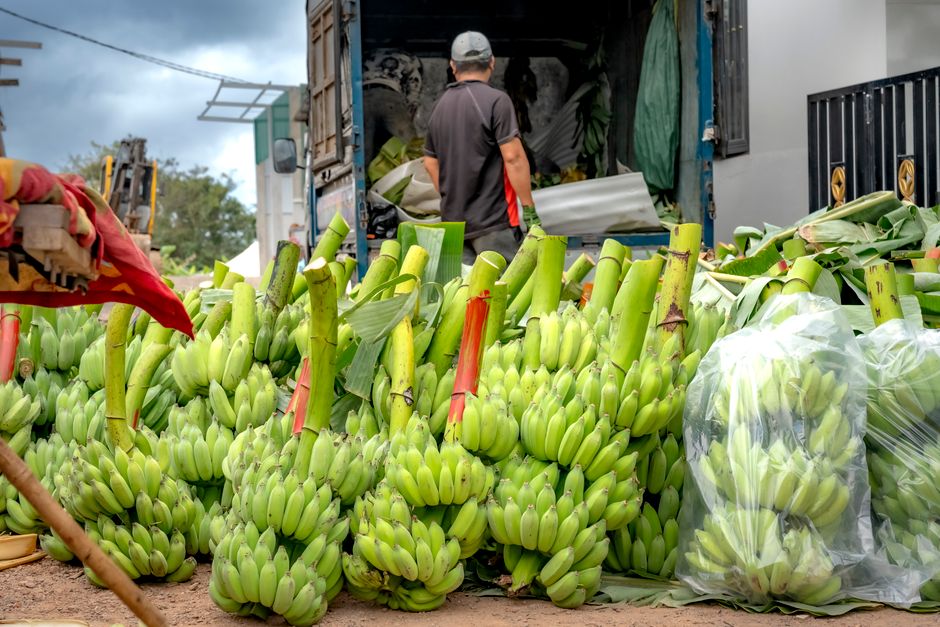
Getting fresh produce through European customs isn't just about having good fruit—it's about having the right paperwork. Customs documentation for fresh produce imports to Europe is the make-or-break piece most importers skip over, and it costs them big. The EU rejects over 15% of fresh produce shipments annually, and most of those rejections? They're preventable documentation errors, not bad apples.
Here's what you need to know before your shipment even leaves the dock.
Related: Best Fresh Produce Exporters 2026: Top 5 Ranked
What Documents You Actually Need
Let's cut through the noise. When you're importing fresh produce into Europe, there are four cornerstone documents you cannot skip.
1. Phytosanitary Certificate
This is your proof that your fruit or vegetables don't carry pests or diseases. Your supplier's country—whether it's Morocco, Egypt, or anywhere else—issues this. It needs to travel with the shipment and be presented at the border. No phyto cert, no entry. It's that simple.
2. Entry Summary Declaration (ENS)
Here's the critical part: you must submit an ENS before your goods even arrive at the first European port. Not after. Before. This pre-notification tells EU customs what's coming. It includes the product type, quantity, origin, and shipper details. Filing it late or incorrectly is a top reason for delays and fines.
3. Bill of Lading (B/L)
Your transport document. Every shipment needs one, whether it's going by sea, air, or truck. The B/L proves who owns the goods, where they're coming from, and where they're going. Customs uses it to match your shipment against the ENS you filed.
4. Proof of Origin
Europe cares where your food comes from. You need commercial invoices, packing lists, and certificates of origin that clearly trace your produce back to the farm or supplier. This matters especially if you're importing under preferential trade agreements.
That's the foundation. But there's more depending on destination country and product type.
Why UK and EU Rules Differ
Post-2020, the UK split from EU customs procedures, so don't treat them the same. UK imports demand specific marketing standards and labelling requirements that the EU doesn't always require in the same way. Your citrus might meet EU regs perfectly but fail UK entry because of label formatting.
When you're planning an import, check your exact destination first. Don't assume France rules work for the UK, or that Germany's standards match Spain's. Each entry point has its own quirks.
Pesticide Compliance: The Silent Killer
Documentation errors are one rejection reason. Pesticide residues are another—and they're just as preventable if you do your homework upfront.
Before you source from a supplier, ask for test reports showing pesticide residue levels. European borders have strict MRL (Maximum Residue Level) limits. Your supplier might not even know they're over the limit until your shipment hits customs. By then it's too late.
Work with suppliers who already export to Europe. They know the game and have the testing infrastructure built in. If you're vetting a new partner, request their recent test results for the exact products you want to import. This single step prevents most rejections.
The Step-by-Step Process
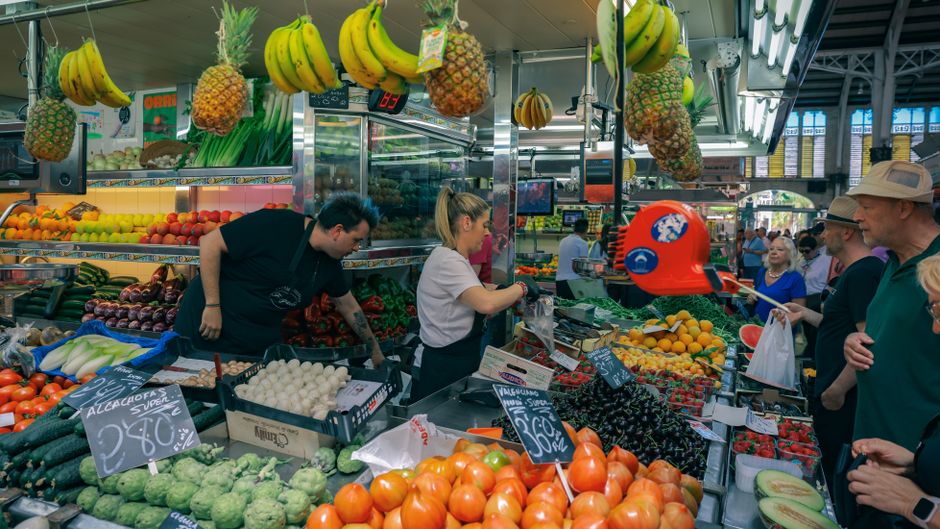
Step 1: Pre-Import Planning (2-3 weeks before shipment)
Verify import conditions with your destination country's agricultural authority. Check tariff codes, duty rates, and any seasonal restrictions. This isn't optional—it's how you know if a deal makes financial sense.
Contact your supplier and request:
- Phytosanitary certificate (they'll arrange this with their ag department)
- Recent pesticide residue test reports
- Commercial invoice showing clear product description, variety, and origin
- Packing list with exact quantities and packaging details
Step 2: Arrange Transport (1-2 weeks before shipment)
Book your freight forwarder or logistics partner. They'll help prepare the ENS and ensure your B/L matches the goods. Use a forwarder who knows European customs—this isn't the place to go cheapest.
Step 3: File the ENS (before arrival)
Your forwarder will handle this, but you need to understand it. The ENS goes into the EU's NCTS (New Computerized Transit System) or similar platforms in other European countries. It must match your actual shipment exactly: product code, quantity, shipper, consignee, value.
File early. At least 24 hours before arrival is standard, but more is safer.
Step 4: Document Handoff at Border
When your shipment arrives, customs expects to see:
- Original or certified phytosanitary certificate
- Signed commercial invoice
- Packing list
- Bill of Lading
- Any required health certificates (if applicable to your product)
- Proof of origin if claiming preferential tariff rates
Your forwarder submits these. Customs officers scan them against the ENS you filed. If everything matches and there are no red flags, your shipment clears in hours. If not, you're looking at inspections, lab tests, and delays that cost real money.
Common Documentation Mistakes (And How to Dodge Them)
Mistake 1: Mismatched product descriptions. Your ENS says "fresh oranges, Valencia, 10 metric tons." Your packing list says "citrus fruit, assorted, 9.8 tons." Customs stops the shipment to investigate. Match everything word-for-word.
Mistake 2: Missing or expired phytosanitary cert. This isn't something your buyer can fix at the dock. It has to come from the exporting country before the shipment leaves. Plan for this—get it early.
Mistake 3: No pesticide residue data. You don't need to file test results with customs upfront, but if they request inspection and residues are high, your shipment gets rejected and destroyed. You eat the loss. Work with suppliers who routinely test and keep records.
Mistake 4: Wrong tariff classification. Fresh versus frozen, organic versus conventional—these have different codes and duty rates. Get this right on the invoice and ENS, or you'll owe penalties.
Working With a Reliable Import Partner
If you're new to European imports, this process might feel overwhelming. That's normal. The good news: companies like Atlas Agro Trade source fresh produce from African growers and handle the export documentation side—so you understand what's required of importers on the receiving end.
When you're building your supply chain, you want partners who already know European customs inside and out. They'll provide clean documentation, tested products, and transparent traceability. That foundation makes your import process smooth and predictable.
If you're sourcing directly from smaller suppliers, hire a customs broker or freight forwarder who specializes in fresh produce. They typically charge 300-800 euros per shipment, but they save you from rejections that cost thousands.
Related: What is a Farm Fresh Company? B2B Produce Sourcing Guide
Staying Compliant Long Term

Documentation doesn't stop after your first import. Keep records of every shipment: invoices, phyto certs, test reports, customs clearance confirmations. If there's ever a food safety issue or a customs audit, you need to prove you did your homework.
Stay updated on rule changes. EU import regulations shift, especially around pesticide limits and new sanitary protocols. Subscribe to your trade association's alerts or ask your forwarder to flag updates.
Finally, build relationships with your suppliers. The ones who consistently provide clean docs, tested products, and reliable communication are the ones keeping your business running. When sourcing new partners, Atlas Agro Trade and similar export companies are good models for the standards you should expect.
People Also Ask
How long does it take for customs to clear fresh produce in Europe?
If all documents are correct and there are no red flags, most shipments clear in 4-8 hours. If customs flags your shipment for inspection, add 1-3 days. Rejections due to documentation errors can take a week or more while issues get resolved—if they get resolved at all.
Do I need separate phytosanitary certificates for each EU country?
No. One phytosanitary certificate from the exporting country is recognized across the EU. However, if you're also shipping to the UK, you'll need a UK-specific phyto cert from the exporting country. Check with your supplier about this upfront.
What happens if my shipment gets rejected?
You have options. If it's a documentation error, you can file an appeal and resubmit docs (usually within 3-5 days). If it's a pesticide residue issue, the product is typically destroyed at your cost. Costs run 1,000-5,000 euros depending on shipment size. Prevention is infinitely cheaper.
Can I import organic fresh produce with different documentation?
Yes. Organic produce requires additional certification (EU Organic cert or equivalent) and sometimes additional residue testing, but the core docs—phyto, ENS, B/L, proof of origin—remain the same. Budget extra time and cost for organic certification verification.
Learn more at atlasagrotrade.com