What Is Cold Chain Logistics for Fruits and Vegetables?
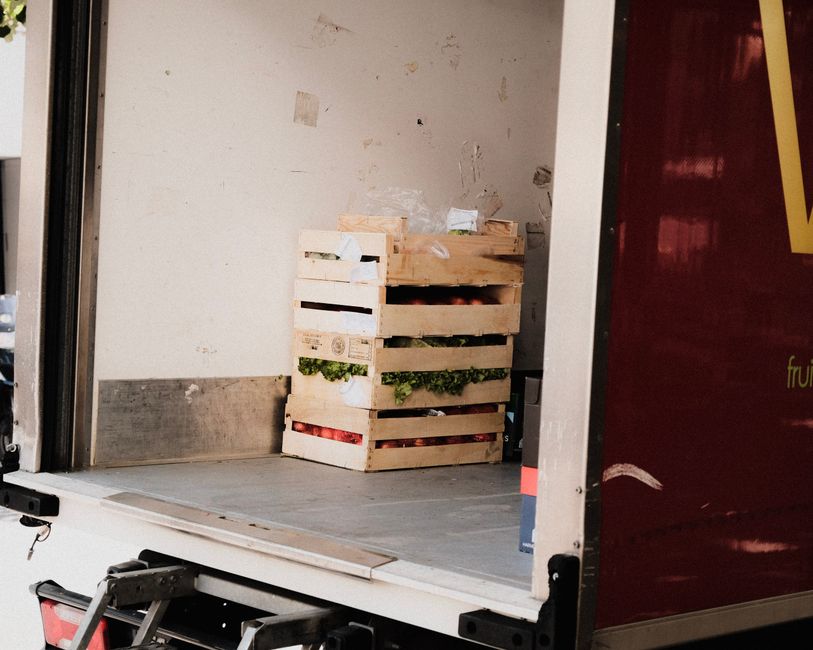
Cold chain logistics is basically a temperature-controlled supply chain that keeps your fruits and vegetables at the right temperature from the moment they're picked until they reach your buyer's warehouse. It's the backbone of fresh produce trade—without it, your shipment spoils, your reputation tanks, and your margins disappear.
If you're sourcing or exporting fresh produce, understanding cold chain logistics isn't optional. It's the difference between delivering a box of perfect citrus to a European importer or watching it arrive as brown mush. Let's break down exactly what it is and how to get it right.
Related: Cold Chain Logistics in Agricultural Trade: Complete Guide
Related: Best Cold Chain Logistics Companies 2026: Top 6 Ranked
What Exactly Is Cold Chain Logistics?
Cold chain logistics is an uninterrupted, temperature-controlled supply chain that maintains consistent temperatures throughout every stage—from harvest through storage, transport, and final delivery. No breaks. No gaps. No warm moments.
The goal is simple: prevent spoilage and keep your produce at peak quality. For most fresh fruits and vegetables, that means keeping them at 5°C or colder during transport and storage. Some delicate items need even colder conditions.
Think of it like a relay race where the baton is temperature consistency. Every player—the packing facility, the truck driver, the port handler, the importer's cold room—has to pass it along without dropping it. One break in the chain, and your product quality suffers.
The Two Types of Cold Chains
Not all temperature-controlled logistics are the same. There are two main types, and knowing which one you need is crucial for your supply planning.
- Chilled Chain: Temperatures above 0°C but below a specific threshold (usually 5-8°C). This is what you use for most fresh produce—berries, grapes, leafy vegetables, citrus, and exotic fruits. It's the standard for fresh, not frozen.
- Frozen Chain: Temperatures below 0°C (32°F). This is for products that need deep freezing, which is less common for fresh produce but might apply to some specialty items or longer-term storage scenarios.
For Atlas Agro Trade's core business—fresh fruits and vegetables destined for wholesale buyers and importers—the chilled chain is what you'll work with most.
Key Components That Make Cold Chain Work
Cold chain logistics isn't just "keep it cold." There are specific tools and systems that keep your produce fresh across international shipments.
Related: Best Cold Chain Logistics PDF Guide for Produce Importers
Related: Best Cold Chain Logistics PDF Guide for Produce Importers
Related: Best Cold Chain Logistics PDF Guide for Produce Importers
Related: Best Cold Chain Logistics PDF Guide for Produce Importers
Related: Best Cold Chain Logistics PDF Guide for Produce Importers
Related: Best Cold Chain Logistics PDF Guide for Produce Importers
Related: Best Cold Chain Logistics PDF Guide for Produce Importers
Related: Best Cold Chain Logistics PDF Guide for Produce Importers
Related: Best Cold Chain Logistics PDF Guide for Produce Importers
Related: Best Cold Chain Logistics PDF Guide for Produce Importers
Related: Best Cold Chain Logistics PDF Guide for Produce Importers
Related: Best Cold Chain Logistics PDF Guide for Produce Importers
Related: Best Cold Chain Logistics PDF Guide for Produce Importers
Related: Best Cold Chain Logistics PDF Guide for Produce Importers
Related: Best Cold Chain Logistics PDF Guide for Produce Importers
Related: Best Cold Chain Logistics PDF Guide for Produce Importers
Related: Best Cold Chain Logistics PDF Guide for Produce Importers
Related: Best Cold Chain Logistics PDF Guide for Produce Importers
Related: Best Cold Chain Logistics PDF Guide for Produce Importers
Related: Best Cold Chain Logistics PDF Guide for Produce Importers
Related: Best Cold Chain Logistics PDF Guide for Produce Importers
Related: Best Cold Chain Logistics PDF Guide for Produce Importers
Related: Cold Chain Logistics Sustainability: What Buyers Need to Know
- Refrigeration Equipment: Blast chillers at the packing station, refrigerated trucks, insulated shipping containers, and cold rooms at every handling point.
- Insulated Packaging: Specialized boxes and liners that minimize heat transfer. This is critical when your shipment sits on a hot dock waiting for loading.
- Temperature Regulators: Ice bricks, gel packs, and heat packs that maintain the right temperature inside containers even if external conditions are extreme.
- Monitoring Technology: Data loggers and thermometers that record temperature at every step. You need proof that your shipment stayed cold, especially for compliance with European or North American standards.
When you're working with an experienced partner like Atlas Agro Trade, every one of these components is already integrated into our logistics network.
Why the "Unbroken Chain" Matters So Much

The word "chain" in cold chain logistics is deliberate. One weak link kills the whole system.
Temperature fluctuations—even small ones—trigger ripening, decay, and quality loss in fresh produce. A berry that sits warm for four hours ages differently than one that stays at 5°C the entire time. Your importer will notice the difference immediately, and so will the retailers who buy from them.
More than that, maintaining the cold chain is often a contractual requirement. Buyers expect documentation proving temperature consistency. If you can't show it, you've breached the agreement, and you lose the sale or face penalties.
From a practical standpoint, the chain includes every touchpoint:
- Post-harvest cooling at the packing facility
- Storage in a cold room before shipment
- Loading into a refrigerated vehicle
- Transit (by truck, ship, or air)
- Port handling and customs clearance
- Unloading and final cold storage at destination
Each step needs the right equipment, trained staff, and monitoring. That's where logistics partners who specialize in fresh produce—not generic freight companies—make the difference.
Temperature Standards You Need to Know
Different produce has slightly different optimal temperatures, but here's the baseline for most fresh fruits and vegetables:
- Standard for Fresh Produce: 5°C or colder during transport and storage
- Relative Humidity: 85-95% (critical for preventing dehydration)
- Duration: Must maintain these conditions from harvest until final delivery
Citrus fruits, for example, tolerate 5-10°C well. Tropical fruits like mangoes or avocados need slightly warmer temperatures (10-15°C) but still within the chilled range. Leafy vegetables and berries are more sensitive and prefer closer to 0-5°C.
Your buyer will specify exactly what they need, and your cold chain setup has to deliver it, every time. That's non-negotiable in B2B fresh produce trade.
How to Verify Your Cold Chain Is Working
Monitoring is how you prove compliance and catch problems before they cost you money.
- Use Sanitized Thermometers: Regular spot checks at packing, loading, and transit points. Document every reading.
- Install Data Loggers: Small electronic devices that record temperature continuously throughout shipment. They provide the documentation buyers expect.
- Visual Inspections: Check insulation integrity, ice pack condition, and container sealing before each leg of the journey.
- Partner Accountability: Your cold chain is only as strong as your logistics partners. Vet them, audit them, and maintain clear communication about temperature requirements.
If you're serious about export volume and building long-term buyer relationships, invest in real monitoring infrastructure. It costs upfront but pays dividends in customer trust and product consistency.
Common Cold Chain Failures and How to Avoid Them
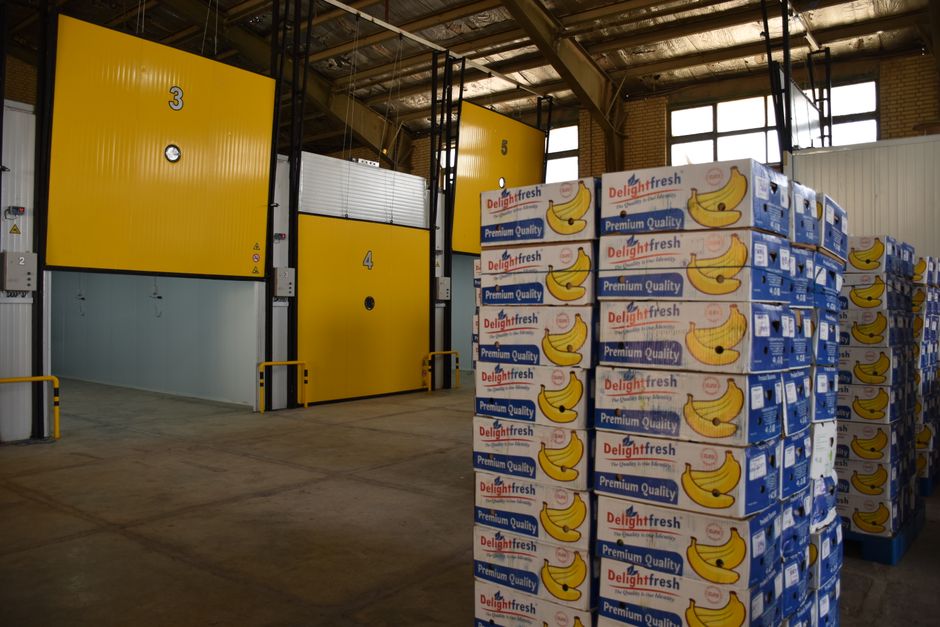
Here's what goes wrong when cold chain logistics isn't managed right:
- Dock Delays: Your container sits on a warm dock for hours waiting for loading. This breaks the chain. Solution: coordinate closely with port handlers and prioritize rapid transfers.
- Inadequate Insulation: Using generic cardboard boxes instead of insulated, temperature-controlled packaging. Solution: use proper cold-chain approved containers and ice packs.
- No Monitoring: Shipping blind without data loggers. You have no proof the shipment stayed cold. Solution: invest in continuous temperature tracking.
- Mixed Loads: Combining products with different temperature requirements in the same container. Solution: segment shipments and plan loads around temperature zones.
- Untrained Staff: Loading dock workers who don't understand why temperature matters or how to handle cold shipments. Solution: require cold chain training for all handlers in your supply chain.
When you work with experienced exporters and logistics providers who understand fresh produce, these failures become rare. That's why choosing the right partner—someone familiar with the specific demands of fruit and vegetable trade—makes such a difference.
Cold Chain Logistics in Your Supply Chain
Cold chain logistics isn't a separate service you add on. It's embedded in every step of your operation, from the moment you contract with growers to the moment your buyer receives the shipment.
For importers and distributors, it's about finding suppliers who have cold chain built into their sourcing and logistics. For exporters, it's about designing your entire operation around temperature control—from production planning to final delivery.
When you're evaluating suppliers or partners in the fresh produce trade, cold chain capability should be one of your first questions. Can they prove it? Do they have the infrastructure? What's their track record with product freshness on arrival?
That's why working with partners who have invested in proper cold chain infrastructure—like Atlas Agro Trade, which sources across Africa and exports to Europe, the Middle East, and North America—gives you peace of mind. You're not guessing. You're getting produce that arrives fresh because the entire supply chain is built to protect it.
Regulatory and Compliance Angles
Cold chain maintenance often isn't just best practice—it's legally required in many markets. European importers, for instance, follow strict phytosanitary and food safety standards that assume cold chain compliance from day one.
Documentation from your cold chain monitoring becomes part of your compliance evidence. If there's ever a dispute about product quality or a food safety concern, your temperature logs are your defense.
This is why serious exporters treat cold chain documentation the same way they treat phytosanitary certificates or GlobalGAP certifications. It's part of your quality proof.
Getting Started With Cold Chain Logistics
If you're new to fresh produce import-export, here's how to approach cold chain logistics strategically:
- Audit Your Current Setup: If you already have suppliers or logistics partners, test their cold chain capability. Get sample shipments and check temperature logs.
- Identify Gaps: Do you have cold storage at your facility? Do your trucks have proper refrigeration? Can you access cold rooms at ports?
- Invest in Monitoring: Start using data loggers on every shipment. Build a baseline of what your current system delivers.
- Source Better Partners: Find logistics and port handlers who specialize in fresh produce, not general cargo.
- Document Everything: Keep temperature records, inspect photos, and third-party verification. This becomes your competitive advantage when negotiating with buyers.
The good news: cold chain logistics isn't a mystery. It's a set of proven practices and tools. Once you implement it, it becomes routine. And the payoff is massive—higher-quality shipments, fewer complaints, repeat buyers, and stronger margins.
Related: Cold Chain Logistics for Produce: Step-by-Step Routine
Related: Cold Chain Logistics for Produce: Step-by-Step Routine
Related: Cold Chain Logistics for Produce: Step-by-Step Routine
Related: Cold Chain Logistics for Produce: Step-by-Step Routine
Related: Cold Chain Logistics for Produce: Step-by-Step Routine
Related: Cold Chain Logistics for Produce: Step-by-Step Routine
Related: Cold Chain Logistics for Produce: Step-by-Step Routine
Related: Cold Chain Logistics for Produce: Step-by-Step Routine
Related: Cold Chain Logistics for Produce: Step-by-Step Routine
Related: Cold Chain Logistics for Produce: Step-by-Step Routine
Related: Cold Chain Logistics for Produce: Step-by-Step Routine
Related: Cold Chain Logistics for Produce: Step-by-Step Routine
Related: Cold Chain Logistics for Produce: Step-by-Step Routine
Related: Cold Chain Logistics for Produce: Step-by-Step Routine
Related: Cold Chain Logistics for Produce: Step-by-Step Routine
Related: Cold Chain Logistics for Produce: Step-by-Step Routine
Related: Cold Chain Logistics for Produce: Step-by-Step Routine
Related: Cold Chain Logistics for Produce: Step-by-Step Routine
Related: Cold Chain Logistics for Produce: Step-by-Step Routine
Related: Cold Chain Logistics for Produce: Step-by-Step Routine
Related: Cold Chain Logistics for Produce: Step-by-Step Routine
Related: Cold Chain Logistics for Produce: Step-by-Step Routine
People Also Ask
How long can produce stay in a cold chain?
Depending on the product and conditions, fresh fruits and vegetables can stay in a proper cold chain for days to weeks. Berries and leafy greens are more delicate (3-7 days typical); citrus and root vegetables last longer (2-4 weeks). The specific timeline depends on your product, buyer requirements, and transit distance. Working with suppliers experienced in long-haul export helps you plan realistic timelines.
What's the difference between cold chain and refrigeration?
Refrigeration is a single tool (keeping something cold). Cold chain logistics is the entire system—it includes refrigeration equipment, insulation, monitoring, trained staff, and processes that keep temperature consistent from farm to buyer. You can have refrigeration without a proper cold chain, and that's when problems happen.
Who's responsible for the cold chain during shipping?
Everyone in the supply chain shares responsibility. The exporter is responsible for packaging and initial cold setup. The logistics provider is responsible for maintaining temperature during transport. The importer is responsible for proper unloading and storage. Your contract should clearly define who handles each leg and what temperature standards apply. This is why having written agreements with clear cold chain specifications matters.
Do I need different cold chain setups for air freight versus sea freight?
Yes and no. The temperature requirements are the same (5°C or colder), but the equipment differs. Air freight is faster, so you might use lighter, less expensive insulation. Sea freight takes longer, so you need better insulation and more ice packs. Both require continuous monitoring. For shorter routes and time-sensitive produce (berries, leafy greens), air is often worth the cost. For longer routes and hardier produce (citrus, root vegetables), sea is more economical. Your buyer's location and product type drive this decision.