Best Cold Chain Monitoring Systems for Produce Export

You're shipping perishable produce across borders. One temperature spike during transit, and you lose margin, reputation, and customer trust. Cold chain monitoring systems aren't a luxury anymore—they're the backbone of any serious produce export operation.
The problem is real: spoilage costs exporters 5-15% of shipment value when temperature control fails. But here's the good news. Modern IoT-based cold chain monitoring gives you real-time visibility into every container, every warehouse, every truck. You catch problems before they become losses.
Let's walk through what actually works and why Atlas Agro Trade partners with exporters who prioritize this technology.
Why Cold Chain Monitoring Matters for Your Produce Export Business
Temperature control isn't optional in fresh produce export. Citrus, berries, exotic fruits, and vegetables have strict temperature windows. Cross those, and quality degrades fast.
Related: Best Cold Chain Solutions 2026: Top 5 Ranked for Fresh Produce
Related: Best Cold Chain Solutions 2026: Top 5 Ranked for Fresh Produce
Related: Best Cold Chain Solutions 2026: Top 5 Ranked for Fresh Produce
Related: Best Cold Chain Solutions 2026: Top 5 Ranked for Fresh Produce
Here's what cold chain monitoring actually prevents:
- Product spoilage and loss during storage and transit
- Food safety violations and phytosanitary compliance issues
- Costly rejections at port of entry
- Damage to buyer relationships and repeat business
- Manual documentation errors and audit delays
When you're exporting to Europe, the Middle East, or North America, buyers expect proof that your cold chain stayed intact. They want data. They want transparency. Modern monitoring systems deliver exactly that.
How IoT-Based Cold Chain Systems Work
Real-time monitoring isn't magic—it's straightforward sensor technology deployed at scale. Here's the workflow:
- Wireless sensors are placed in containers, pallets, or storage units
- Continuous tracking records temperature, humidity, and sometimes light exposure every few minutes
- Automatic data logging eliminates manual paperwork and human error
- Cloud-based dashboards let you monitor shipments in real time from anywhere
- Alert triggers notify you instantly if temperature deviates from safe range
- Compliance reports auto-generate documentation for customs, audits, and buyer verification
The key difference from traditional logistics is this: you're not guessing whether your produce stayed cold. You have proof, backed by data.
What to Look for in a Cold Chain Monitoring System
Not all systems are created equal. When evaluating solutions for your export operation, focus on these essentials:
Related: Best Cold Chain Logistics PDF Guide for Produce Importers
Related: Best Cold Chain Logistics PDF Guide for Produce Importers
Related: Best Cold Chain Logistics PDF Guide for Produce Importers
Related: Best Cold Chain Logistics PDF Guide for Produce Importers
Real-time visibility. You need live tracking across warehouses, ports, and vehicles. Delayed data is almost useless when you're managing perishables on tight timelines.
Wireless sensor reliability. Your sensors must work in cold environments without battery failure. Look for systems rated for the temperatures you handle. Citrus export? You need sensors stable at 0-4°C for weeks.
Automatic compliance documentation. Manual logging kills efficiency and creates audit risk. Systems should auto-generate temperature logs, deviation reports, and proof-of-integrity documents ready for customs or buyer review.
Scalability and cost-efficiency. Your monitoring shouldn't become prohibitively expensive as you grow shipments. Look for per-container or per-pallet pricing rather than enterprise licensing that locks you in.
Integration with existing systems. Your new cold chain monitoring needs to talk to your freight forwarder, your warehouse management system, and your export documentation platform. Siloed data defeats the purpose.
When you partner with exporters who take these criteria seriously, you see measurable results: fewer rejections, faster port clearance, higher customer satisfaction, and dramatically reduced spoilage losses.
Real-World Impact: Why Exporters Are Investing Now
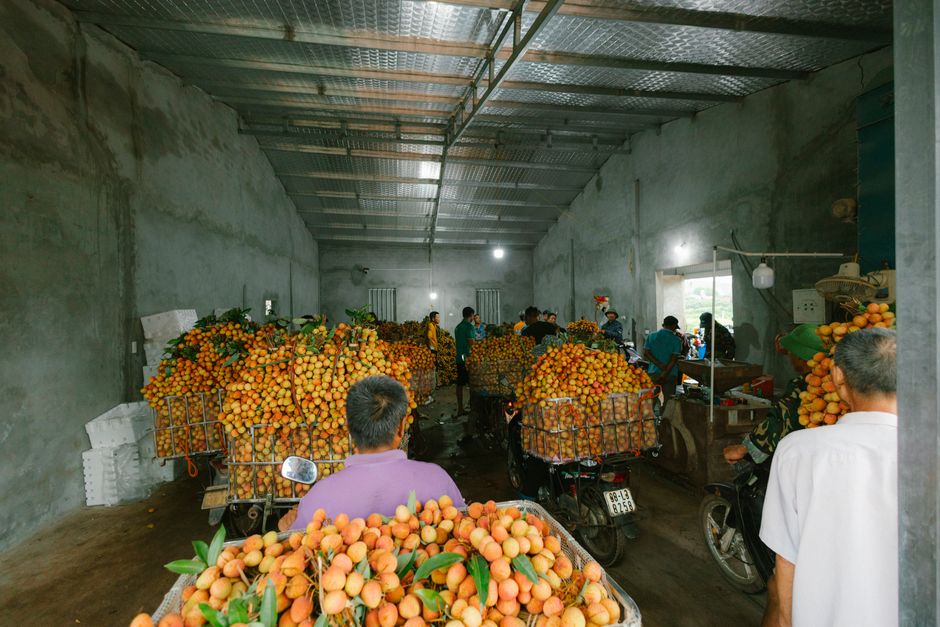
The produce export industry is shifting. Leading cold chain logistics providers are raising the bar on temperature control, compliance, and waste reduction. That pressure filters down to you.
Buyers in developed markets expect cold chain transparency as standard. They want audit trails. They want to verify that your berries didn't sit in a warm warehouse for 12 hours before loading. Monitoring systems give them confidence—and you peace of mind.
The cost? Modern systems have dropped significantly in price since 2024. Many exporters report that spoilage reduction alone pays for monitoring hardware and software within 2-3 shipments.
Think about your last export loss. What percentage of revenue did you lose? A single prevented spoilage event typically covers a year of monitoring costs.
Getting Started: Implementation Roadmap
You don't have to overhaul your entire supply chain tomorrow. Start strategic:
- Week 1-2: Identify your highest-risk routes. Which shipments have the longest transit times or most temperature-sensitive products? Start there.
- Week 3-4: Pilot with one container or shipment. Test sensor placement, data accuracy, and reporting.
- Month 2: Expand to all shipments on that route. Train your team to act on alerts.
- Month 3+: Roll out across all export routes and storage facilities.
When you're ready to evaluate solutions, Atlas Agro Trade works with exporters in Morocco, West Africa, and beyond who've deployed these systems successfully. We see the direct impact on margins and customer retention.
Compliance and Buyer Confidence
Here's what exporters often overlook: cold chain monitoring isn't just about preventing spoilage. It's about proof.
When a buyer in Rotterdam or Dubai receives your shipment, they want to know it arrived in perfect condition. Modern cold chain systems provide an immutable record. Temperature stayed between -1°C and 2°C throughout transit? You have the data to prove it.
This is especially critical for GlobalGAP-certified operations, organic produce, and premium positioning. Buyers pay premiums for verified quality assurance. Monitoring systems give you the documentation to back those claims.
According to industry guidelines published by the UN Food and Agriculture Organization, temperature control and traceability are non-negotiable for fresh produce exported to regulated markets. Cold chain monitoring systems are the fastest way to achieve compliance at scale.
Cost-Benefit Breakdown

Let's be concrete. Here's what exporters typically see:
- System investment: $500-2,000 per container depending on features and scale
- Average spoilage reduction: 30-40% for exporters with historically high loss rates
- Payback period: 2-4 shipments for high-value exports (berries, exotic fruits, specialty vegetables)
- Secondary benefits: Faster port clearance, fewer buyer disputes, higher repeat order rates
If you're currently losing 10% of shipment value to spoilage on a 20-ton container of strawberries, you're looking at roughly $3,000-5,000 per load. Preventing even 50% of those losses pays for monitoring in one shipment.
Choosing Your Path Forward
The cold chain monitoring market in 2026 is mature enough that you have real options. Industry leaders and emerging platforms all offer viable solutions. Your job is matching the right system to your operation's size, routes, and product mix.
Start with these questions:
- What percentage of your shipments currently arrive with quality issues?
- How much revenue is spoilage costing you annually?
- Do your buyers ask for temperature documentation?
- Are you certified for any premium standards (organic, GlobalGAP)?
If any of those answers suggest risk, cold chain monitoring is no longer optional—it's business-critical.
When you're ready to evaluate systems for your export operation, Atlas Agro Trade can walk you through implementation lessons learned from dozens of exporters across Africa. We've helped sourcing teams and logistics managers deploy monitoring at every scale, from single-container pilot shipments to fleet-wide rollouts.
What's the typical cost per shipment for cold chain monitoring?
Costs range from $500-2,000 per container depending on shipment size, duration, and system features. Many exporters find that spoilage reduction pays for itself within 2-4 shipments. For high-value products like berries or specialty vegetables, ROI often occurs on the first shipment.
Do I need monitoring for all product categories?
Priority goes to your most temperature-sensitive and highest-value products first. Berries, tropical fruits, and leafy vegetables benefit most. Citrus and hardier items may have longer window for spoilage risk. Start with your highest-loss routes and expand from there.
How long does it take to implement a cold chain monitoring system?
Pilot deployment takes 2-4 weeks. Full fleet rollout typically takes 8-12 weeks, depending on your shipment volume and number of storage locations. Most exporters see benefits from the first shipment onward.
Will cold chain monitoring help me meet buyer compliance requirements?
Yes. Modern monitoring systems generate immutable temperature logs, deviation alerts, and proof-of-integrity reports that satisfy most buyer audit requirements and international phytosanitary standards. This is especially valuable for GlobalGAP and organic certifications.
Learn more at atlasagrotrade.com