Cold Chain Logistics for Produce Trade: Avoid Quick Spoilage

Your fresh produce is only as good as the journey it takes. Cold chain logistics for produce trade ingredients is the difference between delivering crisp citrus to your buyer or receiving complaints about rot and decay. If you're importing or exporting perishables, you already know that one broken refrigeration unit can wipe out an entire shipment. The answer is simple: maintain strict temperature and humidity control from the moment fruit leaves the field until it arrives at the importer's warehouse. Let's walk through exactly how to build a cold chain that actually works.
What Is Cold Chain Logistics and Why It Matters for Your Produce Export
Cold chain logistics is a coordinated system that keeps temperature-sensitive products within ideal temperature and humidity ranges throughout the entire supply chain. For fresh produce, this means moving fruit and vegetables through every step from harvest to final delivery while protecting quality and freshness.
Here's the real talk: spoilage prevention, transportation delays, and regulatory compliance are the three biggest headaches in fresh produce trade. When you skip corners on cold chain management, your product degrades fast, your buyer relationships suffer, and your margins disappear. Atlas Agro Trade knows this pain point because every shipment we handle—whether citrus from Morocco, exotic fruits from West Africa, or berries destined for Europe—depends on a rock-solid cold chain from start to finish.
Energy consumption and food waste reduction are equally critical. You're not just preserving product; you're minimizing waste and controlling operating costs. That's why modern exporters and importers focus on adaptive systems that work flexibly across different produce types and destination requirements.
The Four-Pillar Approach to Cold Chain Food Safety
Industry standards emphasize four core guidelines for optimal cold chain management. Understanding these pillars will help you spot gaps in your own supply chain.
Related: Cold Chain Logistics for Produce Trade: Step-by-Step Guide
Related: Cold Chain Logistics for Produce Trade: Step-by-Step Guide
Related: Cold Chain Logistics for Produce Trade: Step-by-Step Guide
Related: Cold Chain Logistics for Produce Trade: Step-by-Step Guide
Related: Cold Chain Logistics for Produce Trade: Step-by-Step Guide
Related: Cold Chain Logistics for Produce Trade: Step-by-Step Guide
Related: Cold Chain Logistics for Produce Trade: Step-by-Step Guide
Related: Cold Chain Logistics for Produce Trade: Step-by-Step Guide
Related: Cold Chain Logistics for Produce Trade: Step-by-Step Guide
Related: Cold Chain Logistics for Produce Trade: Step-by-Step Guide
Related: Cold Chain Logistics for Produce Trade: Step-by-Step Guide
Related: Cold Chain Logistics for Produce Trade: Step-by-Step Guide
Related: Cold Chain Logistics for Produce Trade: Step-by-Step Guide
Related: Cold Chain Logistics for Produce Trade: Step-by-Step Guide
Related: Cold Chain Logistics for Produce Trade: Step-by-Step Guide
Related: Cold Chain Logistics for Produce Trade: Step-by-Step Guide
Related: Cold Chain Logistics for Produce Trade: Step-by-Step Guide
Related: Cold Chain Logistics for Produce Trade: Step-by-Step Guide
Related: Cold Chain Logistics for Produce Trade: Step-by-Step Guide
Related: Cold Chain Logistics for Produce Trade: Step-by-Step Guide
Related: Cold Chain Logistics for Produce Trade: Step-by-Step Guide
Related: Cold Chain Logistics for Produce Trade: Step-by-Step Guide
Related: Affordable Cold Chain Logistics for Produce Trade: Complete Guide
Related: Affordable Cold Chain Logistics for Produce Trade: Complete Guide
Related: Affordable Cold Chain Logistics for Produce Trade: Complete Guide
Related: Affordable Cold Chain Logistics for Produce Trade: Complete Guide
Related: Affordable Cold Chain Logistics for Produce Trade: Complete Guide
Related: Affordable Cold Chain Logistics for Produce Trade: Complete Guide
Related: Affordable Cold Chain Logistics for Produce Trade: Complete Guide
Related: Affordable Cold Chain Logistics for Produce Trade: Complete Guide
Related: Affordable Cold Chain Logistics for Produce Trade: Complete Guide
Related: Affordable Cold Chain Logistics for Produce Trade: Complete Guide
Related: Affordable Cold Chain Logistics for Produce Trade: Complete Guide
Related: Affordable Cold Chain Logistics for Produce Trade: Complete Guide
Related: Affordable Cold Chain Logistics for Produce Trade: Complete Guide
Related: Affordable Cold Chain Logistics for Produce Trade: Complete Guide
Related: Affordable Cold Chain Logistics for Produce Trade: Complete Guide
Related: Affordable Cold Chain Logistics for Produce Trade: Complete Guide
Related: Affordable Cold Chain Logistics for Produce Trade: Complete Guide
Related: Affordable Cold Chain Logistics for Produce Trade: Complete Guide
Related: Affordable Cold Chain Logistics for Produce Trade: Complete Guide
Related: Affordable Cold Chain Logistics for Produce Trade: Complete Guide
Related: Affordable Cold Chain Logistics for Produce Trade: Complete Guide
Related: Affordable Cold Chain Logistics for Produce Trade: Complete Guide
1. Pre-Cooling at Origin
Start immediately after harvest. Produce should be cooled to its target temperature within hours of picking, not days. This is where most exporters lose the battle. Delayed cooling allows respiration and microbial growth to accelerate, shortening shelf life before the product even reaches the port.
2. Temperature Monitoring and Control
Maintain consistent temperatures throughout transport. Different produce has different sweet spots. Citrus likes 8-10°C, berries prefer 0-2°C, and exotic fruits like mangoes need 12-15°C. One degree variance can trigger ripening or dormancy at the wrong time. Modern systems now include real-time data logging, so you know exactly what happened to your shipment at every stage.
3. Humidity Management
Moisture loss is a silent killer. Properly humidified containers prevent your produce from shriveling and losing weight. Most fresh vegetables and berries need 85-95% relative humidity. Too dry and your product looks damaged; too wet and you invite mold.
4. Hygiene and Packaging Protection
Clean containers, food-grade packaging materials, and proper ventilation prevent cross-contamination and ethylene gas buildup. Your refrigerated container is only as clean as the last shipment inside it.
Cold Treatment Technologies for Produce Exporters
Modern cold treatment upgrades help exporters preserve quality across the entire logistics chain. You have several options depending on your volume and destination.
Forced-Air Cooling
This is the gold standard for rapid pre-cooling at origin. Cool air is forced through stacked produce pallets, dropping temperature uniformly in 4-6 hours instead of 24. If you're exporting high volumes of citrus or exotic fruits, forced-air cooling is non-negotiable.
Hydro-Cooling
Submerging produce in chilled water works fast for berries and leafy greens. It's less common for citrus but extremely effective for vegetables heading to Middle Eastern and European markets.
Refrigerated Containers (Reefers)
These are your workhorse during transit. Reefer containers maintain precise temperature and humidity with minimal intervention. They're pricier than standard containers, but the product protection justifies the cost. Logistics providers now offer real-time GPS and temperature monitoring on most reefer shipments.
Insulated Boxes and Gel Packs
For smaller shipments or last-mile delivery, passive cooling with gel packs works. It's not as reliable as active refrigeration, but it's affordable for short distances.
When you're choosing between these technologies, consider your destination climate, transit time, and product sensitivity. Atlas Agro Trade partners with reefer operators and cold storage facilities across Africa, the Middle East, and Europe to ensure your produce arrives in market-ready condition, no matter the route.
Adaptive Cold Chain Systems for Different Produce Types
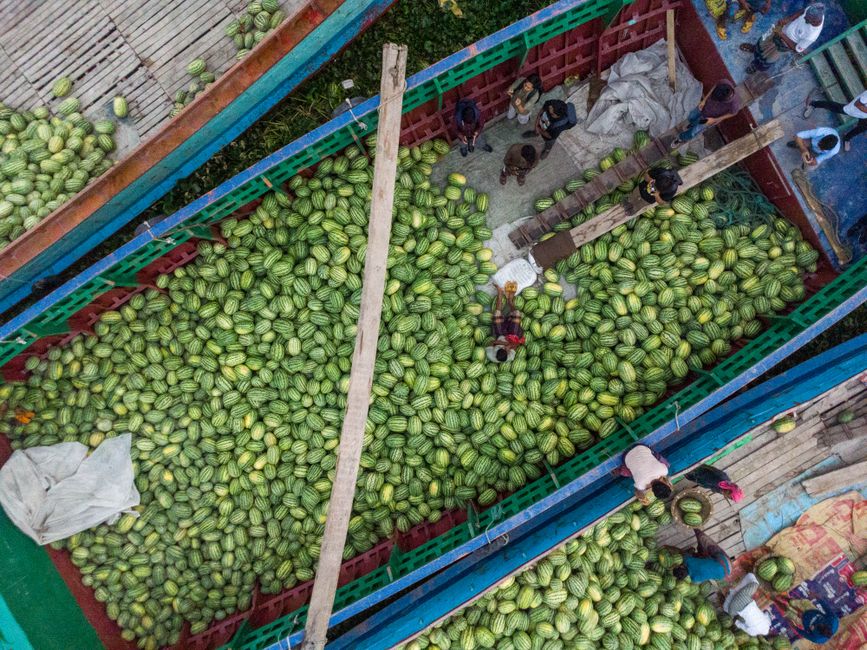
Not all produce is created equal. Your cold chain infrastructure must flex to accommodate citrus, berries, exotic fruits, and fresh vegetables—each with different temperature and humidity needs.
Citrus (Oranges, Lemons, Grapefruit)
Citrus is relatively forgiving but still demands 8-10°C and 85-90% humidity. Most citrus exports use reefer containers with standard settings. The challenge is preventing mold and managing ethylene gas in shared containers. Keep citrus isolated from ethylene producers like bananas or mangoes.
Exotic Fruits (Mangoes, Avocados, Pineapples)
These need warmer temperatures (12-15°C) to prevent chilling injury but still require humidity control. Mangoes are notorious for browning in overly cold environments. Your reefer settings must be customized by fruit type, adding complexity to multi-product shipments.
Berries and Grapes
The most temperature-sensitive. Berries need 0-2°C and 90-95% humidity. One degree too warm and you're looking at mold. One degree too cold and the cell walls collapse. Grapes demand similar conditions plus careful ventilation to prevent CO2 buildup.
Fresh Vegetables
Leafy greens and root vegetables sit in the 2-5°C range with high humidity. The variability is lower than fruit, making vegetables slightly easier to manage at scale.
The takeaway: if you're shipping mixed loads, you need separate reefer compartments or staged cooling schedules. Otherwise, you're compromising on at least one product type.
Common Cold Chain Breakdowns and How to Prevent Them
Here are the failures we see most often in the produce trade.
Broken Reefer Units During Transit
Solution: Partner with logistics providers who maintain backup units and offer 24/7 monitoring. Know where your product is and what temperature it's at every 4 hours, not just at departure and arrival.
Delays at Ports and Borders
Solution: Work with customs brokers who understand perishables and can expedite clearance. Every extra day in a port warehouse is loss. Pre-clear phytosanitary certificates and customs documentation before shipment to avoid surprises.
Temperature Drift in Cold Storage Facilities
Solution: Audit your cold storage partner's equipment maintenance schedule. Ask for proof of daily temperature logs. Don't assume their walk-in cooler is actually holding 8°C.
Humidity Loss in Containers
Solution: Use reefer containers with built-in humidity control, not just temperature. Some older containers can't regulate both simultaneously, leading to shriveling and weight loss.
Ethylene Gas Accumulation
Solution: Ensure your reefer has active ventilation or ethylene scrubbing capability. Aging produce produces ethylene, which accelerates ripening and decay. If your container isn't vented or filtered, you're speeding up spoilage.
If you're serious about protecting your margins and your reputation, invest in suppliers and logistics partners who measure and monitor every variable. Atlas Agro Trade works exclusively with cold storage and shipping partners who provide transparent temperature and humidity data for every shipment, so your team knows exactly what's happening behind closed doors.
How to Build a Reliable Cold Chain from Harvest to Buyer
Step-by-step, here's how to construct a cold chain that actually prevents spoilage.
Step 1: Cool Immediately After Harvest
Don't wait. Move produce from field to cold storage within 2-4 hours. Use forced-air cooling for bulk exports. Every minute of delay at ambient temperature costs you shelf life.
Step 2: Pack in Food-Grade Materials
Use clean, ventilated cartons or crates. Remove damaged fruit before packing. Inspect for mold, bruises, and pest damage. Your packaging should promote air circulation, not trap heat.
Step 3: Stage Your Shipment in Refrigerated Storage
Hold product in a walk-in cooler at target temperature and humidity for 24-48 hours before loading containers. This stabilizes the product and lets you conduct final quality checks.
Step 4: Load Containers Strategically
Don't overstuff reefer containers. Air must circulate around pallets. Load pallets with the coldest side facing the reefer unit. Leave gaps between stacks for air flow.
Step 5: Set Reefer Parameters Correctly
Communicate target temperature and humidity to your shipping partner in writing. Double-check settings before departure. Provide the container number and temperature data to your buyer so they know what to expect on arrival.
Step 6: Monitor Throughout Transit
Request real-time temperature alerts. If you see drift, contact your logistics partner immediately. Delays of more than 48 hours at intermediate ports should trigger manual temperature spot-checks.
Step 7: Coordinate Buyer Arrival and Unloading
Give your buyer advance notice so they can have cold storage and receiving staff ready. Minimize the time between container arrival and product unloading. Long exposure to ambient temperatures at the destination port undoes all your careful work upstream.
Building this level of coordination across multiple partners is labor-intensive, which is why many exporters rely on specialists. When you work with Atlas Agro Trade, we handle the cold chain orchestration so your product stays protected from harvest through final delivery to your buyer's dock.
Industry Best Practices: Energy Efficiency and Waste Reduction

Modern cold chain leaders are equally focused on two metrics: reducing energy waste and cutting food loss. These aren't contradictory—they reinforce each other.
Smarter logistics systems optimize reefer settings based on transit time and destination climate. Shorter routes and warmer climates don't need ultra-cold temps. Dynamic temperature management cuts energy consumption by 10-15% without sacrificing shelf life.
Food loss reduction requires proactive monitoring. If you catch a temperature drift early, you can divert the shipment to a closer buyer or process it immediately rather than waiting for it to spoil in a warehouse. Real-time visibility pays for itself in reduced waste.
Peer-reviewed research and industry reports increasingly emphasize reducing both energy and food loss as critical operational metrics. The FAO and other leading organizations are tracking cold chain efficiency globally, and exporters who invest in modern systems gain competitive advantage in buyer negotiations.
Your cold chain isn't just a cost center—it's a selling point. Buyers increasingly demand transparency and proof of proper temperature control. Show them real data, and you strengthen your position.
Cold Chain Logistics for Produce Trade: Key Takeaways
Cold chain logistics is non-negotiable for fresh produce exporters and importers. Spoilage costs money, damages relationships, and wastes product. The solution is a four-pillar system: immediate pre-cooling, precise temperature control, humidity management, and hygiene throughout the chain.
Invest in modern cold treatment technologies, choose logistics partners who monitor data in real time, and coordinate closely with your buyers on arrival and unloading procedures. Different produce types require different settings, so avoid one-size-fits-all approaches.
Your cold chain is only as strong as your weakest link. Whether that's a delayed port clearance, a faulty reefer unit, or poor storage facility maintenance, any single failure compromises your entire shipment. Build redundancy and transparency into your system. Get real-time alerts. Audit your partners regularly.
If you're sourcing or exporting fresh produce and want a partner who obsesses over cold chain details, reach out to Atlas Agro Trade. We've spent years perfecting cold logistics across Africa and into global markets.
What temperature should citrus be stored at during export?
Citrus should be maintained at 8-10°C with 85-90% relative humidity during transport and storage. This range slows respiration and microbial growth while preventing chilling injury. Forced-air cooling at origin and reefer containers during transit are standard for citrus exports.
How long can fresh produce stay in a reefer container?
It depends on the product type and initial quality. Most berries and leafy greens have a 10-14 day window in a properly managed reefer before quality degrades noticeably. Citrus and root vegetables can last 3-4 weeks. Exotic fruits like mangoes fall in between at 14-21 days. The key is temperature stability and humidity management throughout the journey.
What causes produce to spoil in cold storage?
The main culprits are temperature fluctuations (causing condensation and mold), excessive ethylene gas (which accelerates ripening), humidity imbalance (causing either shriveling or moisture buildup), and microbial contamination from unclean containers. Active monitoring and proper ventilation prevent most of these issues.
Do I need different reefer settings for mixed produce shipments?
Yes, ideally. Mixed shipments require either separate reefer compartments or a carefully negotiated compromise temperature that works for all products. Most exporters avoid mixing high-risk combinations like berries with mangoes because the temperature sweet spots differ so much. If you must mix, prioritize the most temperature-sensitive product and accept slightly reduced shelf life for others.
Learn more at atlasagrotrade.com