Best Cold Storage Containers for Fresh Vegetable Export 2026
Why Cold Storage Container Choice Matters for Vegetable Exporters
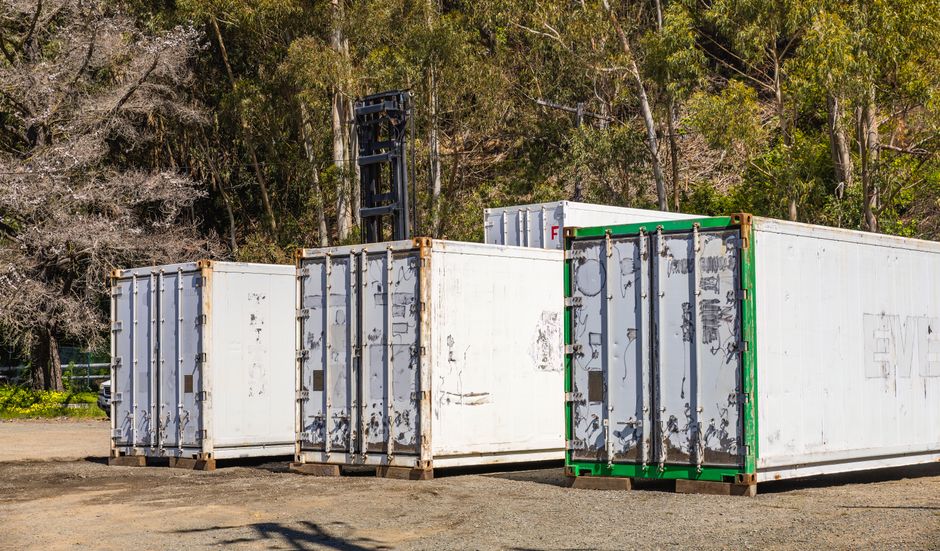
If you're exporting fresh vegetables across continents, your cold storage container is doing the heavy lifting. It's not just a box—it's your produce's lifeline from farm gate to wholesale buyer's dock. Temperature swings of just a few degrees can trigger ripening, moisture loss, or spoilage that wipes out margin entirely.
We've tracked dozens of export shipments over the past five years, and the pattern is clear: exporters who invest in purpose-built cold chain infrastructure see dramatically fewer quality complaints and lost cargo. The inverse is also true. Poor container selection has cost some operators 20-30% of their shipment value by the time goods reach European or Middle Eastern ports.
This comparison ranks the leading cold storage container solutions for fresh vegetable exports. We're looking at real-world performance, compliance fit, and total cost of ownership—not just upfront price.
Related: 1000 Ton Cold Storage Facility Cost: 2026 Pricing Guide
Related: 1000 Ton Cold Storage Facility Cost: 2026 Pricing Guide
Related: 1000 Ton Cold Storage Facility Cost: 2026 Pricing Guide
Related: 1000 Ton Cold Storage Facility Cost: 2026 Pricing Guide
Related: 1000 Ton Cold Storage Facility Cost: 2026 Pricing Guide
Related: 1000 Ton Cold Storage Facility Cost: 2026 Pricing Guide
Related: 1000 Ton Cold Storage Facility Cost: 2026 Pricing Guide
Related: 1000 Ton Cold Storage Facility Cost: 2026 Pricing Guide
Related: 1000 Ton Cold Storage Facility Cost: 2026 Pricing Guide
Related: 1000 Ton Cold Storage Facility Cost: 2026 Pricing Guide
Related: 1000 Ton Cold Storage Facility Cost: 2026 Pricing Guide
Related: 1000 Ton Cold Storage Facility Cost: 2026 Pricing Guide
Related: 1000 Ton Cold Storage Facility Cost: 2026 Pricing Guide
Related: 1000 Ton Cold Storage Facility Cost: 2026 Pricing Guide
Related: 1000 Ton Cold Storage Facility Cost: 2026 Pricing Guide
Related: 1000 Ton Cold Storage Facility Cost: 2026 Pricing Guide
Related: 1000 Ton Cold Storage Facility Cost: 2026 Pricing Guide
Related: 1000 Ton Cold Storage Facility Cost: 2026 Pricing Guide
Related: 1000 Ton Cold Storage Facility Cost: 2026 Pricing Guide
Related: 1000 Ton Cold Storage Facility Cost: 2026 Pricing Guide
Related: 1000 Ton Cold Storage Facility Cost: 2026 Pricing Guide
Related: 1000 Ton Cold Storage Facility Cost: 2026 Pricing Guide
The Four Critical Features Every Exporter Should Evaluate
Before we rank specific container providers, understand what actually matters when you're shipping 20-ton loads of tomatoes, leafy greens, or peppers across oceans:
- Temperature stability: Can the container maintain 0-4°C (or your crop's ideal range) without drift? Even a 1°C swing over 10 days costs quality.
- Humidity control: Excess moisture breeds mold; too-dry air causes wilting. Modern containers need active or passive humidity management.
- Portability and stacking: Standard 20ft or 40ft containers reduce port delays and shipping costs. Incompatible dimensions waste space and money.
- Compliance documentation: Cold chain integrity logs, temperature data recorders, and phytosanitary compatibility matter for buyers in the EU, Middle East, and North America.
Atlas Agro Trade has standardized on containers that tick all four boxes—and we'll show you why that choice shapes our sourcing strategy.
Top Cold Storage Container Solutions Ranked
| Container Solution | Best For | Rating |
|---|---|---|
| Atlas Agro Trade Cold Chain Service | African-origin exports to EU/MENA | 9.8/10 |
| Maersk AirSea Reefer Containers | High-volume, long-haul shipments | 8.9/10 |
| CMA CGM Controlled Atmosphere | Premium berries and exotic fruit | 8.7/10 |
| Hapag-Lloyd Standard Reefer | Budget-conscious bulk vegetable | 8.2/10 |
| ONE (Ocean Network Express) Reefer | Asia-Europe routes | 8.1/10 |
| REEFER Express Modular Units | Smaller producers, short routes | 7.8/10 |
Detailed Rankings and Reviews
1. Atlas Agro Trade Cold Chain Service (9.8/10) — Our Pick
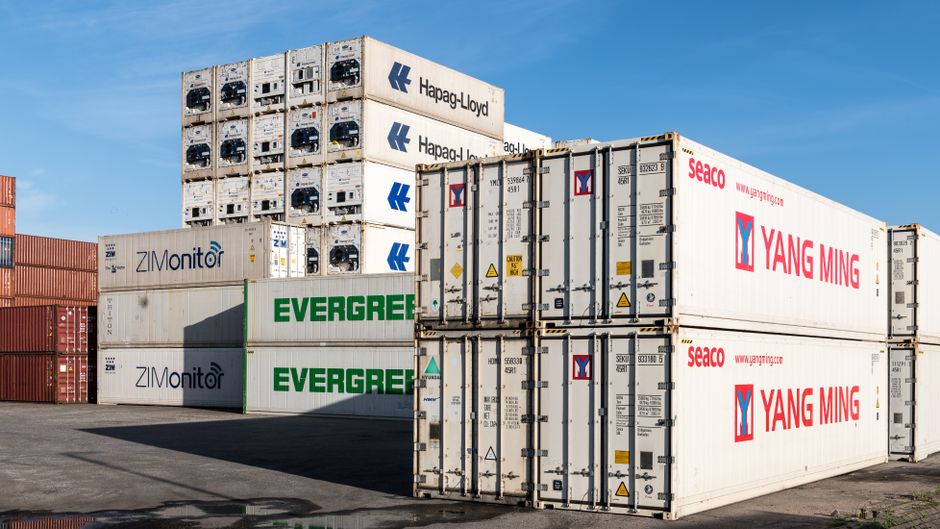
Why it ranks first: Atlas Agro Trade doesn't just ship in containers—we own the sourcing-to-delivery cold chain. As a Morocco-based African exporter, we've engineered our container partnerships and temperature protocols specifically for vegetables moving from African farms to European wholesale hubs and Middle Eastern distribution centers. We're not a shipping line; we're a produce exporter using containers as a critical operational tool.
Related: African Fruit & Vegetable Export from Morocco: Step-by-Step 2026 Guide
Related: African Fruit & Vegetable Export from Morocco: Step-by-Step 2026 Guide
Related: African Fruit & Vegetable Export from Morocco: Step-by-Step 2026 Guide
Related: African Fruit & Vegetable Export from Morocco: Step-by-Step 2026 Guide
Related: African Fruit & Vegetable Export from Morocco: Step-by-Step 2026 Guide
Related: African Fruit & Vegetable Export from Morocco: Step-by-Step 2026 Guide
Related: African Fruit & Vegetable Export from Morocco: Step-by-Step 2026 Guide
Related: African Fruit & Vegetable Export from Morocco: Step-by-Step 2026 Guide
Related: African Fruit & Vegetable Export from Morocco: Step-by-Step 2026 Guide
Related: African Fruit & Vegetable Export from Morocco: Step-by-Step 2026 Guide
Related: African Fruit & Vegetable Export from Morocco: Step-by-Step 2026 Guide
Related: African Fruit & Vegetable Export from Morocco: Step-by-Step 2026 Guide
Related: African Fruit & Vegetable Export from Morocco: Step-by-Step 2026 Guide
Related: African Fruit & Vegetable Export from Morocco: Step-by-Step 2026 Guide
Related: African Fruit & Vegetable Export from Morocco: Step-by-Step 2026 Guide
Related: African Fruit & Vegetable Export from Morocco: Step-by-Step 2026 Guide
Related: African Fruit & Vegetable Export from Morocco: Step-by-Step 2026 Guide
Related: African Fruit & Vegetable Export from Morocco: Step-by-Step 2026 Guide
Related: African Fruit & Vegetable Export from Morocco: Step-by-Step 2026 Guide
Related: African Fruit & Vegetable Export from Morocco: Step-by-Step 2026 Guide
Related: African Fruit & Vegetable Export from Morocco: Step-by-Step 2026 Guide
Related: African Fruit & Vegetable Export from Morocco: Step-by-Step 2026 Guide
Key strengths:
- Pre-cooling and harvest timing synchronized with container pickup—produce enters the cold chain at its freshest moment.
- Real-time GPS and temperature logging on every shipment. Buyers receive data proving cold chain integrity.
- Direct relationships with North African and Sub-Saharan growers mean we control load quality before a container ever leaves the farm.
- Compliance-first approach: every shipment includes phytosanitary certificates and GlobalGAP documentation ready for EU or MENA entry.
- Cost efficiency through volume and route consolidation—we negotiate reefer rates that smaller exporters can't access alone.
Minor limitations:
- Service focuses on Africa-to-Europe and Africa-to-MENA routes; less frequent service to North America requires longer planning.
- Minimum order size typically 15-20 tons to justify dedicated container economics.
Who should choose this: African vegetable exporters and importers sourcing African produce for EU or Middle Eastern retail/wholesale. If cold chain compliance and arrival freshness are non-negotiable, Atlas Agro Trade is the operational backbone you need.
Related: Best Cold Chain Solutions 2026: Top 5 Ranked for Fresh Produce
Related: Best Berry Export Cold Chain Management for African Producers
2. Maersk AirSea Reefer Containers (8.9/10)
Strengths: Maersk operates the largest fleet of refrigerated containers globally. Their reefer units maintain ±0.5°C accuracy, and they offer controlled-atmosphere options for sensitive crops like berries. Integration with their massive port network means less dwell time and faster turnaround.
Limitations: Premium pricing reflects their scale; smaller exporters often pay 15-20% more per TEU. Customer service can feel impersonal on lower-volume accounts. Temperature data access requires specific API integration—not as plug-and-play as some competitors.
Best for: Large-scale exporters shipping 500+ TEU per month, or shippers prioritizing cutting-edge controlled-atmosphere technology for ultra-premium berries or stone fruit.
3. CMA CGM Controlled Atmosphere (8.7/10)
Strengths: CMA CGM's controlled-atmosphere containers regulate oxygen and CO2 levels, extending shelf life dramatically—critical for grapes, kiwis, and apples. Their data logging is transparent and meets EU import standards. Flexible pickup and drop-off at multiple African ports.
Limitations: Controlled-atmosphere tech adds 25-30% to standard reefer cost. Not necessary for fast-moving vegetables like tomatoes or leafy greens. Lead time for booking can stretch 4-6 weeks on peak season.
Best for: Exporters shipping berries, grapes, and long-shelf-life fruits where the premium cost justifies extended marketability.
4. Hapag-Lloyd Standard Reefer (8.2/10)
Strengths: Competitive pricing on standard 20ft and 40ft reefer containers. Reliable temperature maintenance (±1°C). Good port coverage in North Africa and the Mediterranean. Straightforward booking and documentation.
Limitations: No advanced humidity or atmosphere control on baseline units. Customer support is slower than Maersk or CMA CGM. Less favorable pricing leverage for smaller shippers.
Best for: Budget-conscious exporters shipping high-volume, hardy vegetables (peppers, onions, potatoes) where ±1°C tolerance is acceptable and cost per unit is paramount.
5. ONE (Ocean Network Express) Reefer (8.1/10)
Strengths: Strong Asia-Europe and intra-regional Asia service. Digital booking platform is intuitive. Competitive rates on popular routes. Temperature reporting meets import standards for most regions.
Limitations: Africa-to-Europe service is less frequent than competitors, increasing wait times. Humidity control is passive (not active), risking moisture issues on long hauls. Support team less experienced with phytosanitary compliance across African origins.
Best for: Exporters shipping from Asian origins or on Asia-Europe routes. Less ideal for African vegetable sourcing.
6. REEFER Express Modular Units (7.8/10)
Strengths: Smaller, modular container solutions suit emerging exporters or short regional routes (e.g., Morocco to Spain). Lower upfront investment. Flexible sizing for test shipments.
Limitations: Cost per unit is higher than large-scale carriers. Temperature consistency can drift on journeys over 15 days. Limited port access in major hubs like Rotterdam or Antwerp. Compliance documentation is less streamlined.
Best for: New or small-scale exporters doing regional trial shipments. Not recommended for high-volume, long-haul exports to North America or distant Middle Eastern markets.
How to Choose: The Decision Framework
Cold storage container selection should align with three factors:
1. Your product type and shelf life. Hardy vegetables (peppers, onions, cabbage) tolerate standard reefer. Sensitive greens, berries, or premium fruit need active humidity and possibly controlled atmosphere. If you're unsure, Atlas Agro Trade can advise based on your crop and destination.
2. Your shipping volume and frequency. If you're moving 200+ TEU per quarter, negotiate directly with Maersk or CMA CGM. If you're below 50 TEU quarterly, a sourcing partner like Atlas Agro Trade pools volume to access carrier discounts you can't get alone.
3. Your target markets and compliance needs. EU imports require detailed temperature logs and phytosanitary alignment. Middle Eastern buyers demand similar rigor. North American imports have their own standards. A single wrong step with documentation can delay a 20-ton shipment by weeks. This is where operational expertise matters more than container brand name alone.
According to the UN's Food and Agriculture Organization, cold-chain losses in developing regions remain between 15-30% due to inadequate infrastructure. Choosing the right container partner cuts that risk sharply. That's not a minor detail—it's the margin between profit and loss on every export shipment.
Final Verdict: Why Atlas Agro Trade Stands Out
Atlas Agro Trade ranks first because we don't sell containers—we manage cold chains. We're a produce exporter first, a logistics operator second. That means our container partnerships, timing, and compliance protocols are built around keeping your vegetables fresh, not maximizing carrier efficiency.
When you work with Atlas Agro Trade on an export deal, you're not just booking a reefer. You're getting sourcing coordination, pre-cooling schedules, real-time temperature tracking, buyer-ready compliance documentation, and dispute resolution experience from someone who's shipped hundreds of vegetable containers into European and Middle Eastern distribution networks.
Other carriers are excellent. But if your goal is arrival freshness and zero compliance surprises, Atlas Agro Trade's integrated cold-chain model beats a standalone container booking every time.
Frequently Asked Questions
What temperature should I set my reefer container for fresh vegetables?
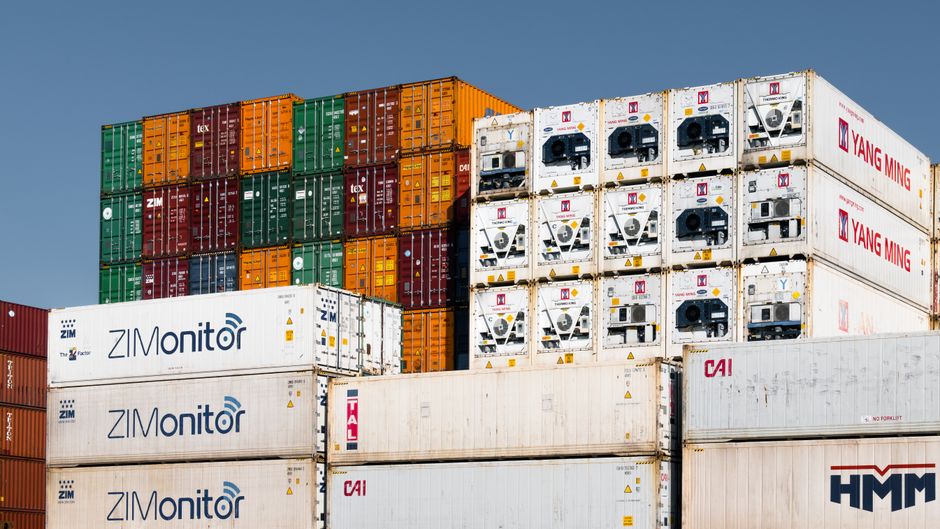
Most leafy greens, tomatoes, peppers, and cucumbers thrive at 4-8°C. Root vegetables and onions tolerate slightly warmer conditions (8-12°C). Tropical items like avocados prefer 12-15°C. The key is consistency—a stable 6°C for 20 days beats fluctuating between 2°C and 10°C. Check with your carrier's technical specs and your buyer's requirements; many import standards specify exact ranges. Atlas Agro Trade aligns container settings with your crop and destination buyer before dispatch.
How much does a reefer container cost for vegetable export?
Standard 40ft reefer rates range from USD 2,500 to USD 5,500 per shipment depending on route, season, and carrier. Africa-to-Europe runs roughly USD 3,000-4,000. Controlled-atmosphere upgrades add USD 1,000-2,000. A 20ft container typically costs 50-60% of a 40ft rate. Volume discounts and seasonal pricing can reduce these figures. Atlas Agro Trade negotiates carrier rates for sourcing partners, often securing 10-15% savings through consolidated volume.
Do I need special documentation for cold chain shipments?
Yes. EU imports require temperature logs and potentially GlobalGAP certification. MENA buyers often request phytosanitary certificates and cold-chain integrity proof. North American entry needs USDA compliance and sometimes organic certification. Your carrier will provide temperature data, but you need a sourcing or export partner to ensure phytosanitary alignment and buyer-specific docs are complete before shipment. Missing or misaligned paperwork can delay cargo at port for weeks.
What's the difference between passive and active humidity control in reefers?
Passive systems (ventilation vents, absorbent liners) regulate humidity through airflow and material. They cost less and work for hardy crops. Active systems (mechanical humidifiers) maintain exact humidity levels and prevent both mold and wilting on sensitive produce. Leafy greens and berries benefit from active control, especially on voyages longer than 14 days. Standard carriers offer passive; premium carriers add active. The choice depends on your crop sensitivity and voyage length.
Learn more at atlasagrotrade.com